In January 2026, a three-bedroom house on Village Place sold for $224,900 after eight days on the market. Ten months earlier, a three-bedroom house on Larkspur Lane a few streets over sold for $334,000, but it took 59 days to find its buyer. Both are in Wake Village. Both closed within the same twelve-month window that most trackers now cite as proof the town's home values are sliding.
They are not measuring the same market.
The Number Everyone Is Quoting
Anyone who pulls up Wake Village housing data this fall will find a consistent story: prices are down. As of May 2026, Redfin listed the median sale price across all home types in Wake Village at $186,388, a 4.4 percent drop from the year before. A separate tracker at Homes.com put the trailing twelve-month median sale price at $197,500, down 6 percent from the prior twelve months, with homes spending an average of 49 days on the market and 63 total sales over the year.
Two different sources, two slightly different numbers, same direction. That consistency is exactly why the headline gets repeated without much scrutiny. A median is supposed to be the boring, reliable middle. But a median only tells you where the midpoint sale landed. It says nothing about whether the homes on either side of that midpoint are getting more or less valuable. In a city as small as Wake Village, with a 2020 census population of 5,945 according to the U.S. Census Bureau, a shift in what's being sold can move the midpoint just as easily as a shift in what things are worth.
What Changed in 2024
For years, there was effectively no new construction in Wake Village. That changed when local builder HLC Yates Construction broke ground on Village Place, a 38-lot subdivision that KTBS reported was the town's first new subdivision in several years. The early coverage itself couldn't quite agree on what was being built. The Texarkana Gazette described homes between 1,200 and 1,400 square feet priced at $300,000 and under, while KTBS quoted the builder describing five floor plans running from about 1,800 to 2,300 square feet priced from roughly $235,000 to $325,000. Plans evidently shifted during construction, because what eventually closed looked different from either estimate.
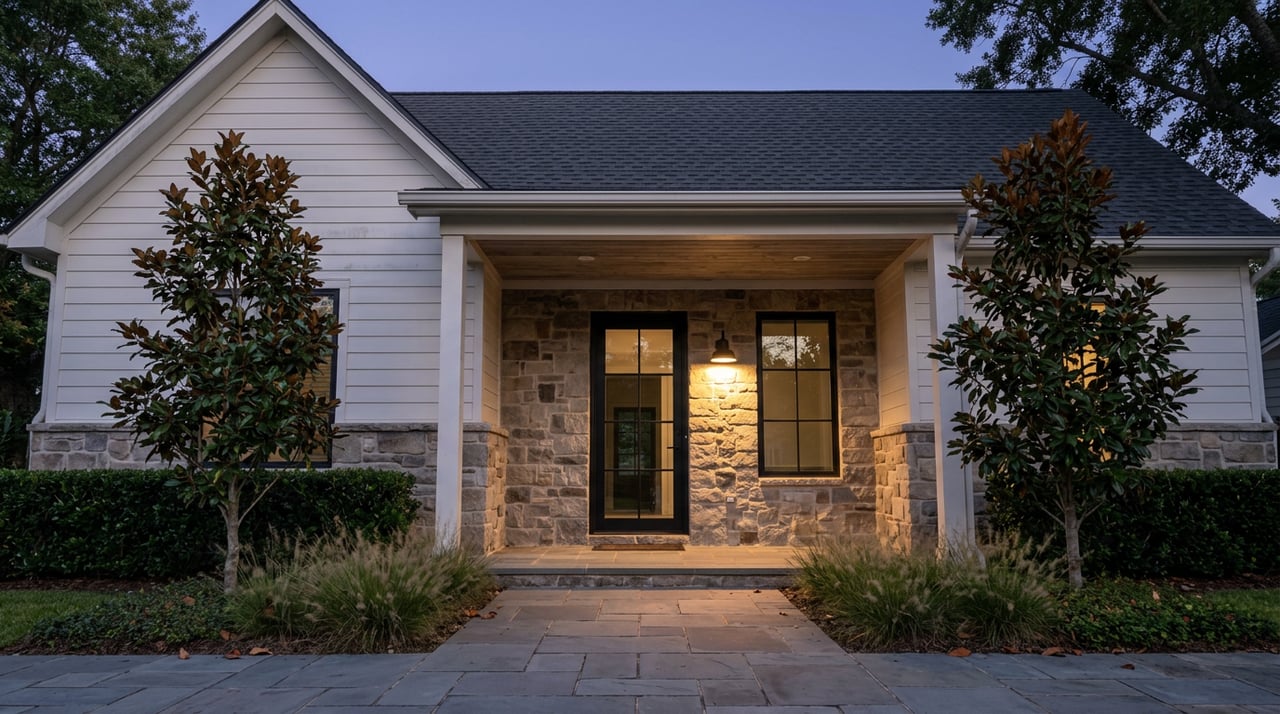
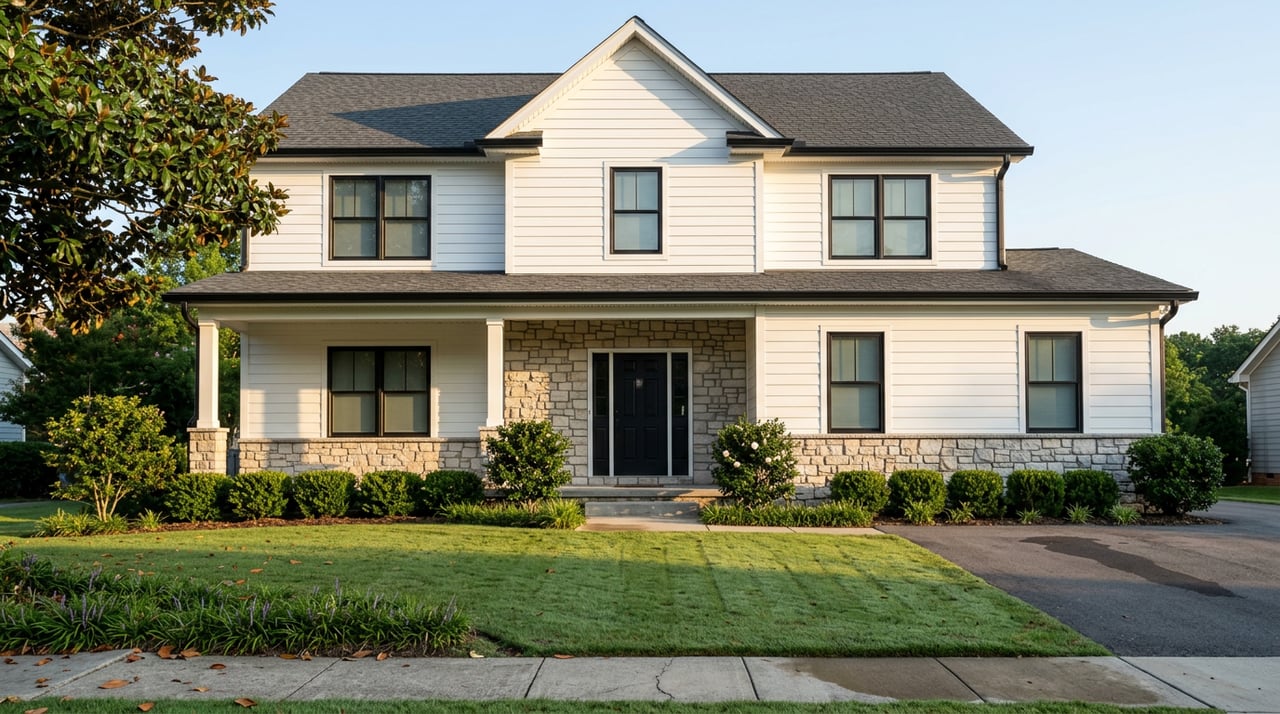
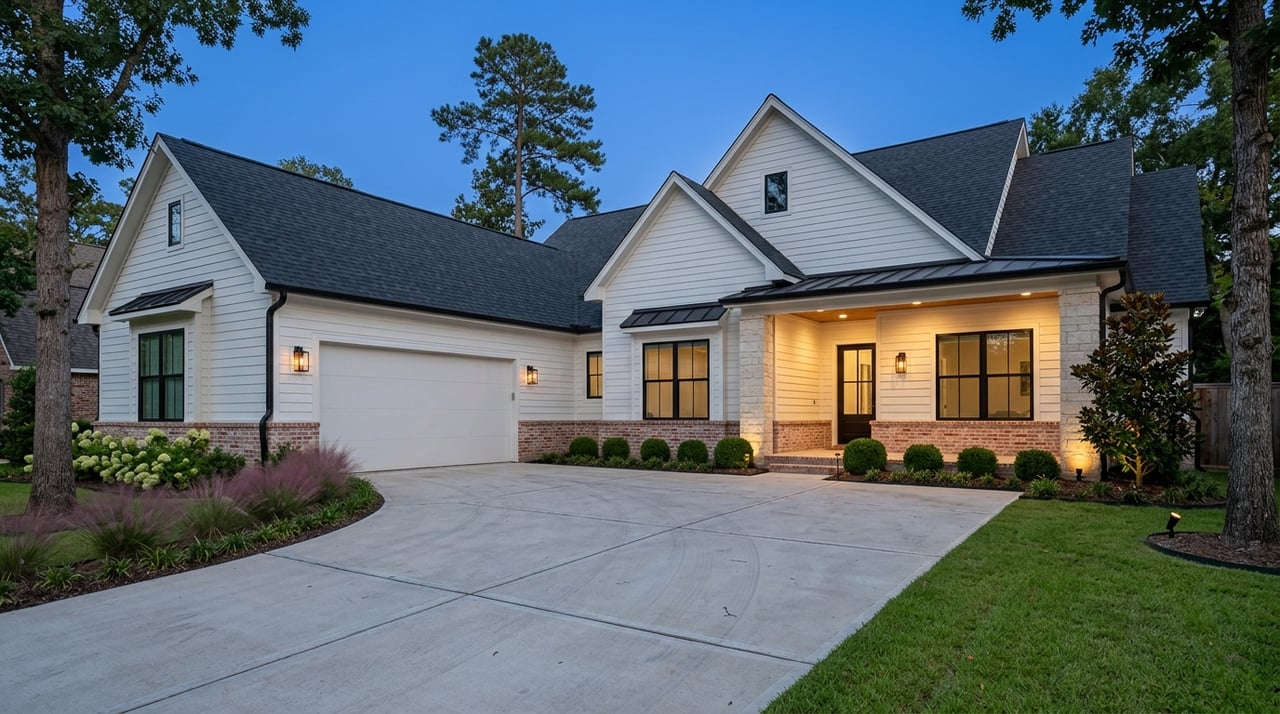
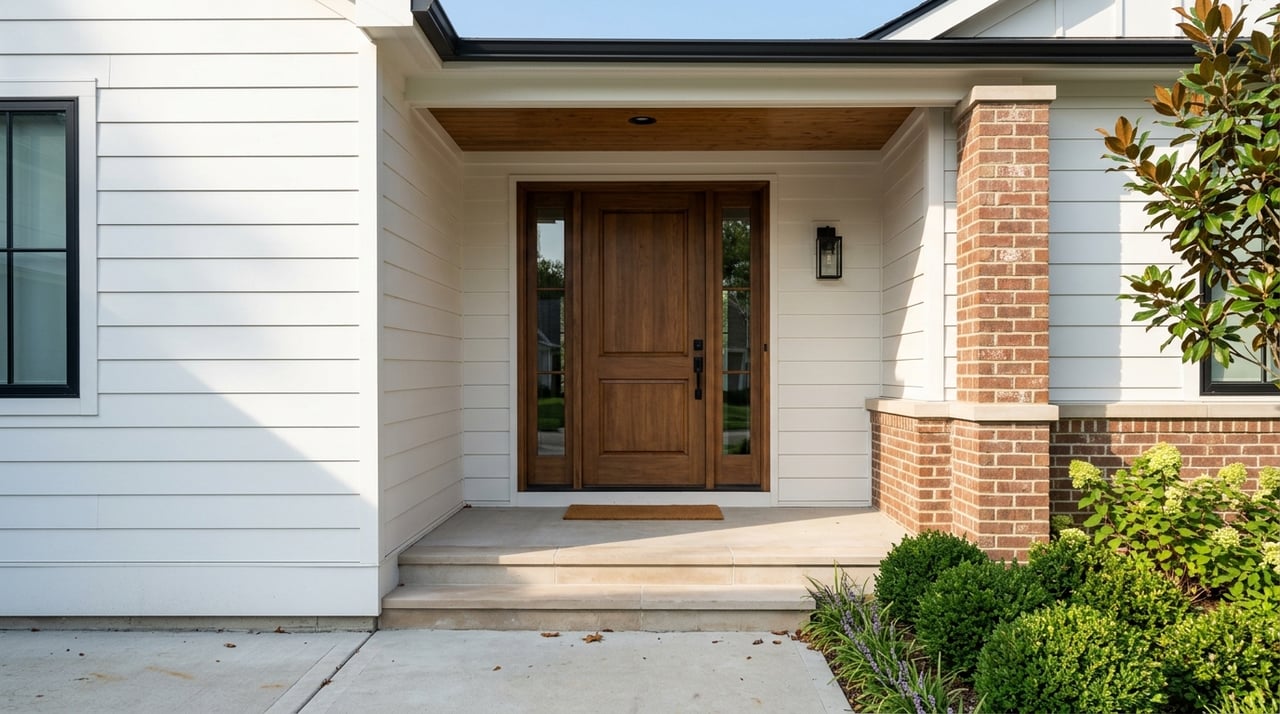
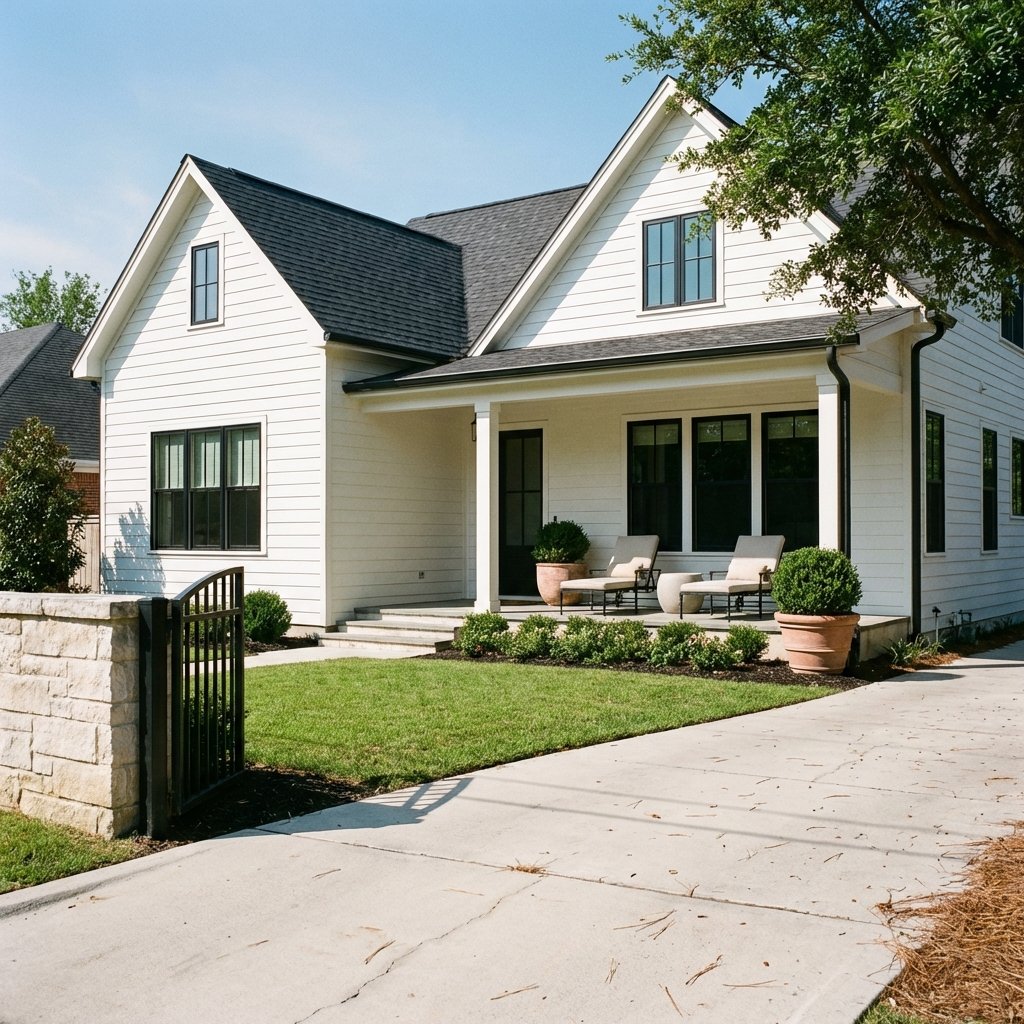
What actually closed tells a tighter story. The 114 Village Place listing came in smaller than the early estimates, a 1,064-square-foot home built in 2025 that sold for $224,900 in just eight days. Its neighbor at 116 Village Place sold for $199,900 in April 2025. These are compact, efficient, quick-turning homes, and at least one recent Village Place listing was marketed as eligible for USDA financing, a detail that tells you exactly which buyer this subdivision was built for: a first-time or budget-conscious purchaser looking for something new and affordable rather than large.
The Same Town, a Different Kind of House
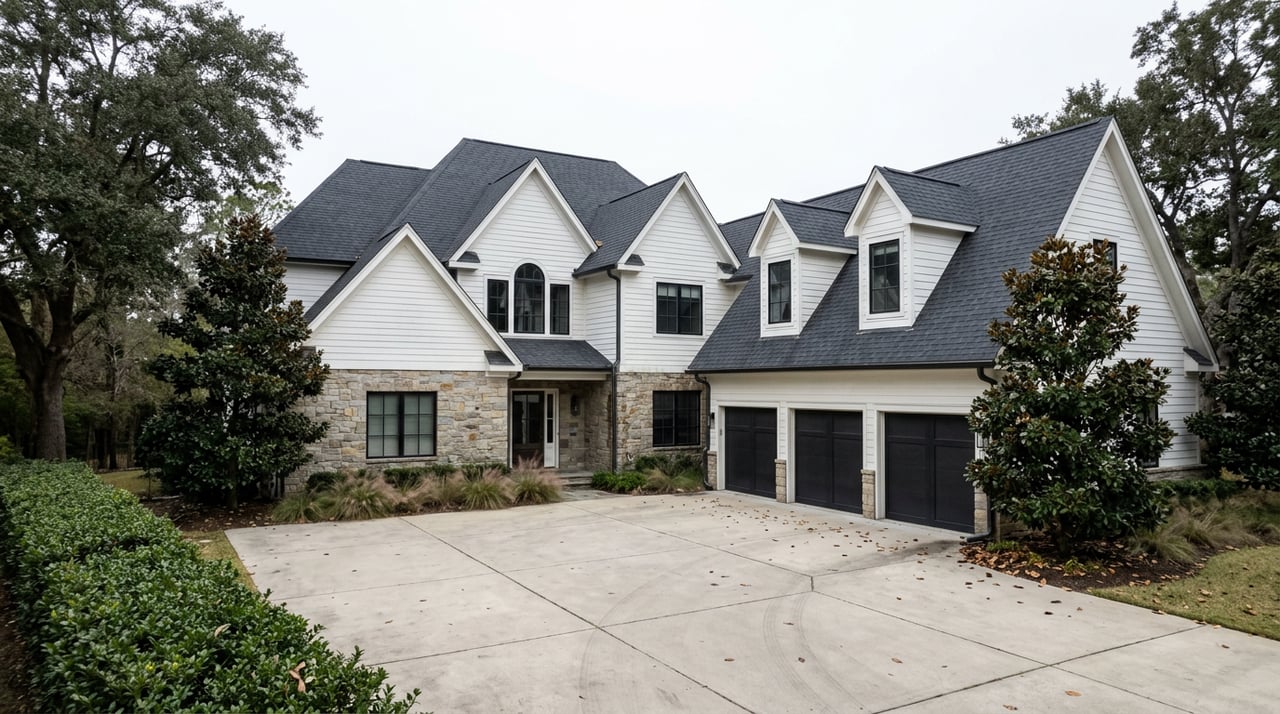
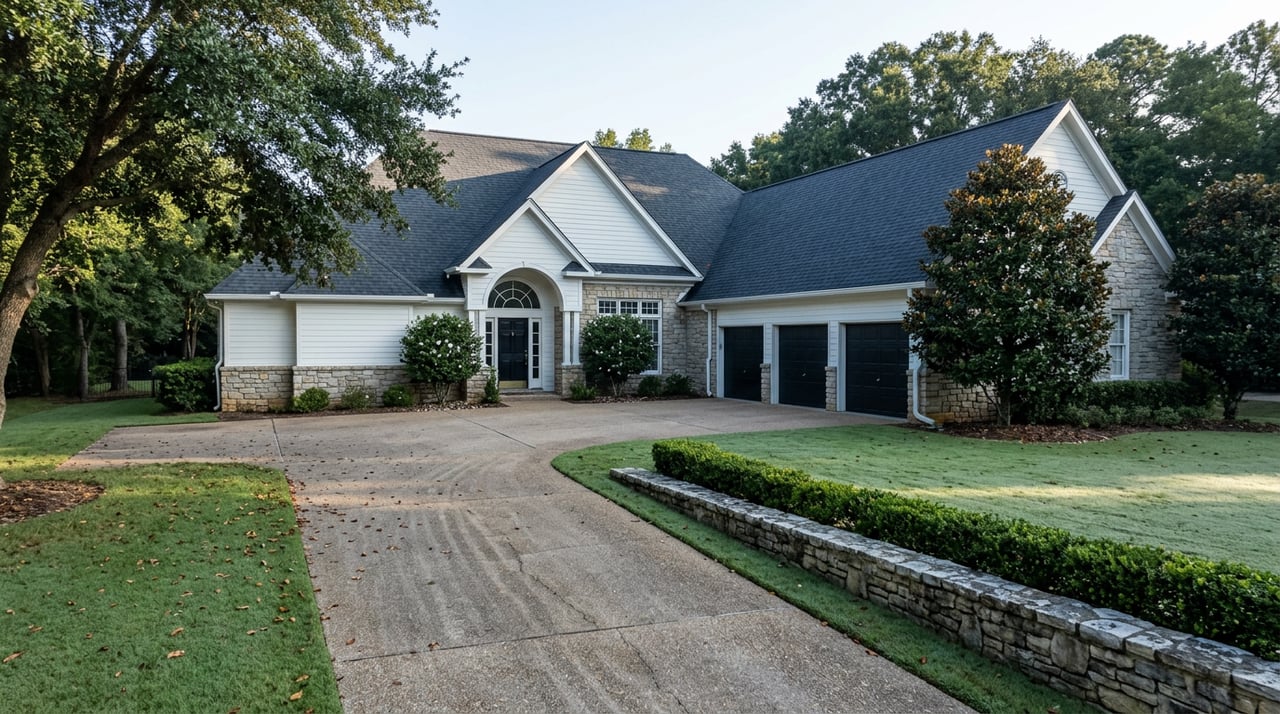
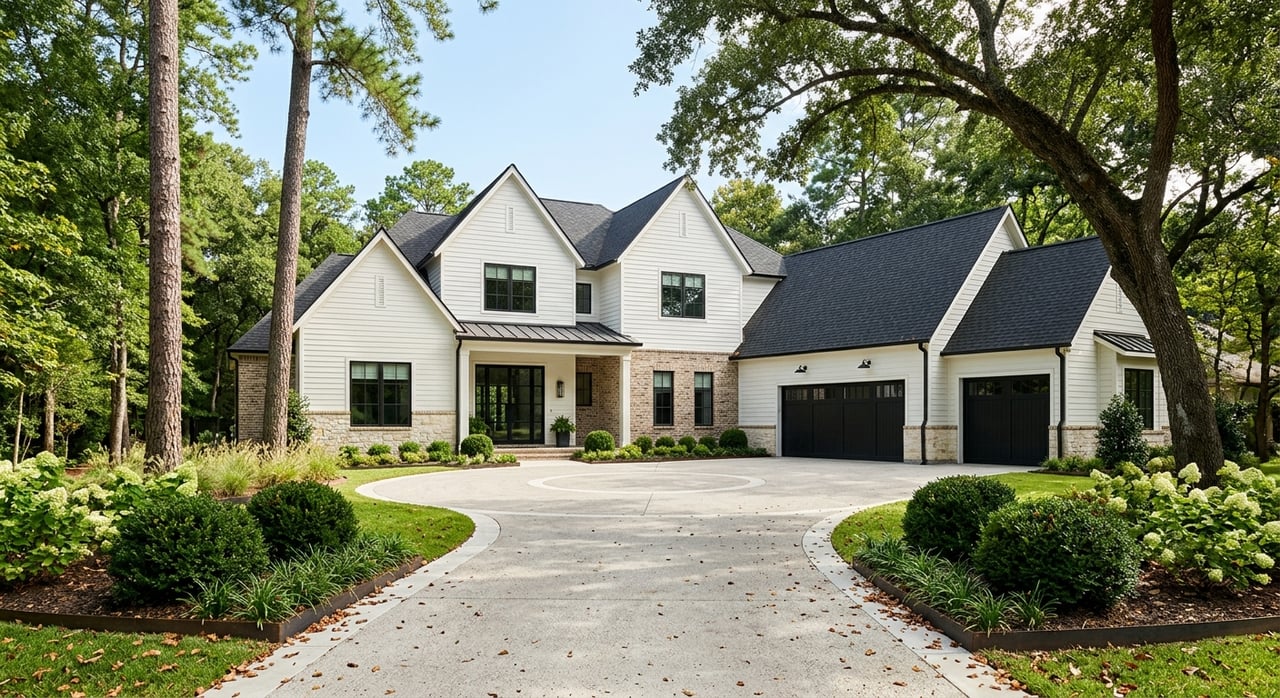
Compare that to what's selling in the parts of Wake Village built decades earlier. A 2,284-square-foot home on Larkspur Lane, built in 1984, closed at $334,000 in March 2025 after 59 days on the market. A 1,614-square-foot home on Autumn Circle, built in 1987, closed at $289,000 in September 2025, but only after 162 days. These are larger homes on larger footprints, and when they sell, they sell for considerably more than anything coming out of Village Place. They just take longer to find the right buyer.
| Address | Built | Size | Sold Price | Days on Market | Closed |
|---|---|---|---|---|---|
| 114 Village Place | 2025 | 1,064 sq ft | $224,900 | 8 | Jan 2026 |
| 116 Village Place | 2025 | — | $199,900 | — | Apr 2025 |
| Autumn Circle | 1987 | 1,614 sq ft | $289,000 | 162 | Sep 2025 |
| Larkspur Lane | 1984 | 2,284 sq ft | $334,000 | 59 | Mar 2025 |
Line these four up and the pattern is plain. The newest homes in town are the cheapest and the fastest to sell. The largest, oldest homes are the most expensive and the slowest. A citywide median blends both groups into one number, and when a wave of smaller, faster-moving transactions enters the mix, it pulls that number toward itself even if the pricier segment hasn't softened at all.
Why the Math Works This Way
A median doesn't average anything. It finds the middle sale and reports that price, full stop. That makes it sensitive to volume in a way buyers rarely expect:
- If Village Place accounts for a meaningful share of the roughly 63 annual sales Homes.com tracked, its lower price point shifts where the middle sale falls, even if every other home in town holds its value.
- A home that sits for 162 days still counts as one sale when it finally closes. It doesn't get extra weight for taking longer, and it doesn't drag the median toward its higher price just because it eventually sold there.
- New construction tends to close fast almost by design. Builders price to move, buyers with financing pre-approved for a new subdivision act quickly, and each of those closings adds another data point at the lower end.
None of this means the larger, older homes in Wake Village are losing value. The Larkspur Lane and Autumn Circle sales suggest the opposite. It means the mix of what's transacting has shifted toward a price tier that didn't exist in this town two years ago.
A Town Built in Layers
The reason Wake Village even has this split housing stock traces back to how the town started. It was founded in 1944 to house workers at the Red River Army Depot and the Lone Star Army Ammunition Plant, and it took its name from Wake Island in the Pacific theater, according to Wikipedia's entry on the town. The original war-era streets carry names that still read like a wartime map: Manila, Guam, Singapore, Arizona, Burma Victory. A second wave of construction in the 1950s produced smaller mid-century enclaves along streets like Esther and Marianna.
The larger homes now selling for $289,000 and $334,000 came later still, built in the 1980s as the town filled in beyond its original footprint. Village Place is a third layer entirely, arriving 80 years after the first houses went up, aimed at a different buyer than either of the two waves before it. A citywide median has to average across all three eras at once, which is precisely why it can move even when no individual layer has changed much.
What This Means If You're Watching Wake Village
If a falling median is the only number you've seen, it's worth asking which layer of the town it's actually describing before drawing conclusions:
- A seller with a larger, established home should look at what's closed in that size and era specifically, not the townwide median, before assuming buyers expect a discount.
- A buyer hoping the median signals softer prices across the board should know that the larger, older stock in Wake Village has continued to close at prices well above the citywide figure.
- Anyone comparing Wake Village to a new-construction subdivision elsewhere in the region should factor in that Village Place's pricing reflects a specific product, compact new-build homes, and doesn't represent what a larger resale home in town will cost.
Frequently Asked Questions
Is Village Place still building, or is the subdivision complete? Coverage from 2024 described construction beginning that year with completion expected within several months of groundbreaking. Closed sales through January 2026 show homes at the address still transacting, consistent with a subdivision that has continued to sell out its lots over time.
Does a falling median mean Wake Village is a buyer's market? Not uniformly. The data shows two segments moving in different directions: entry-level new construction selling quickly at lower price points, and larger legacy homes selling more slowly but at higher prices. Which one applies to a given buyer depends on the size and era of home they're actually comparing.
How does Wake Village compare to nearby Texarkana neighborhoods? Each small city in the Texarkana metro carries its own construction history and housing mix, which is exactly why a single regional number rarely tells the full story. A closer look at recent closings in the specific neighborhood and price range under consideration will always be more useful than a citywide average.
If you're trying to figure out what a specific Wake Village address is actually worth in this market, or whether the townwide numbers apply to your situation, Teresa Liepman can walk through the comparable sales that matter for your street, not just the citywide average. Request your free home valuation to see where your property actually sits.