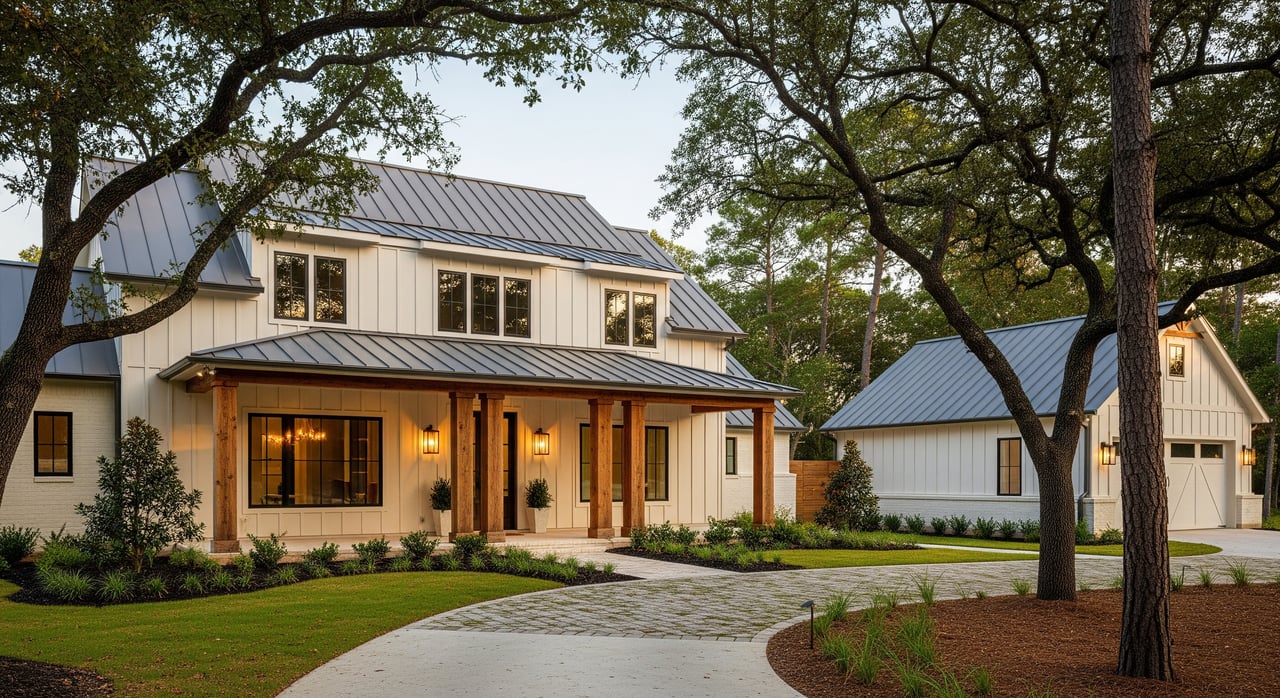
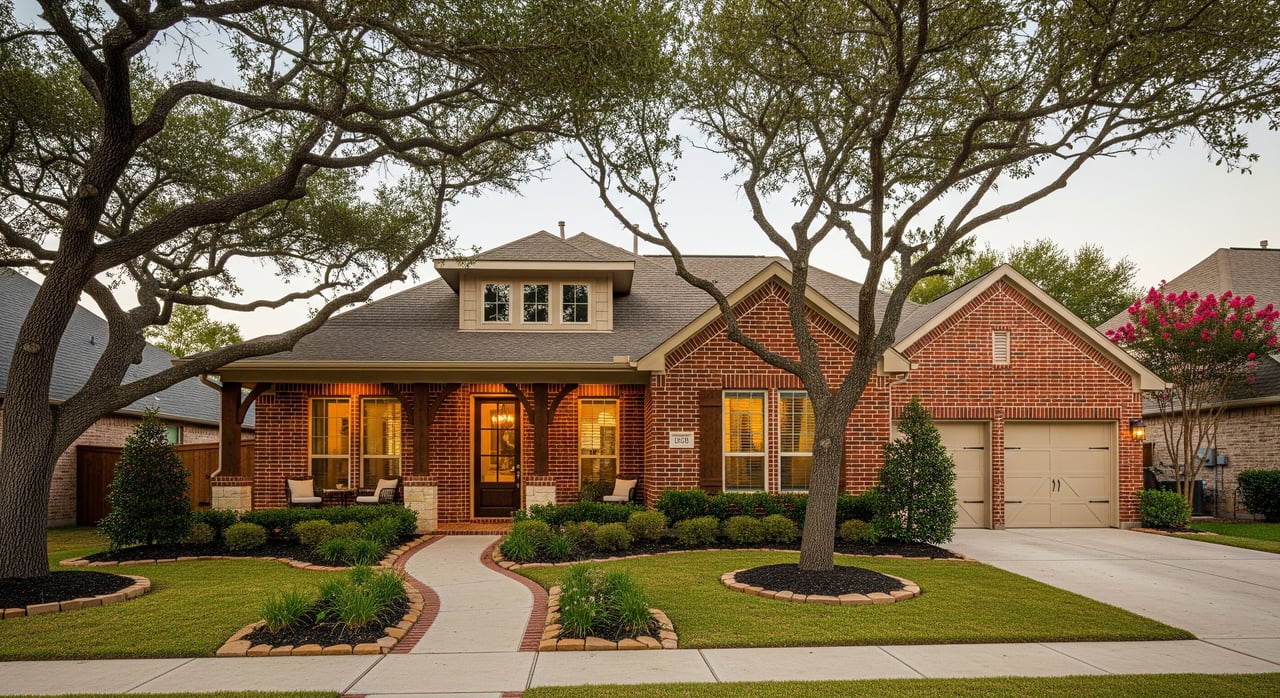
What does a house cost in Red Lick, Texas? Search that question and the City of Red Lick's own website will answer with a specific figure: an average home price of $310,304, sitting right next to the 2020 census count of 946 residents and 306 single-family residences. It reads like a current fact. It isn't one anymore.
Pull live listing data from May 2026 and the average home price in Red Lick comes in at $388,000, with homes running about $182 a square foot. That's a gap of roughly $78,000 between the number a searcher finds first and the number the market is actually producing. Neither figure is wrong exactly. They're just answering different questions, and the difference matters if you're trying to decide whether Red Lick fits your budget or your listing strategy.
Where the old number comes from
The city's page bundles its housing figures with its most recent census data, which places the pricing snapshot back around 2020. That's not unusual for a small municipal site. A city of under a thousand people doesn't have a research department updating home values quarterly, and there's no reason it should. But it means the $310,304 figure is doing double duty as both a historical marker and, unintentionally, the first price a lot of buyers and sellers see when they start researching the town.
Six years is a long stretch in any Texas housing cycle. Red Lick moved through the same run-up that pushed home prices across the state to record highs in 2021 and 2022, then into the more balanced conditions the Texas Real Estate Research Center describes for 2026, with statewide inventory climbing and the year-end median price trending toward $330,000. A number frozen in 2020 was never going to hold.
Why the current number moves so much
Here's the part that's specific to Red Lick and not just a story about time passing. In one recent monthly tracking period, portal data showed only a single home sold in the entire city. Homes here typically spend around 72 days on the market before going under contract, according to the same tracking.
When a market produces one or two sales a month, "average price" stops behaving like the stable citywide figures you'd see in Texarkana or Wake Village and starts behaving like a coin flip. Sell a modest three-bedroom on a standard lot one month and the average dips. Sell a custom home on several acres with a pool the next month and the average jumps by tens of thousands of dollars, because that single transaction is doing more of the averaging than it would in a market with hundreds of monthly closings.
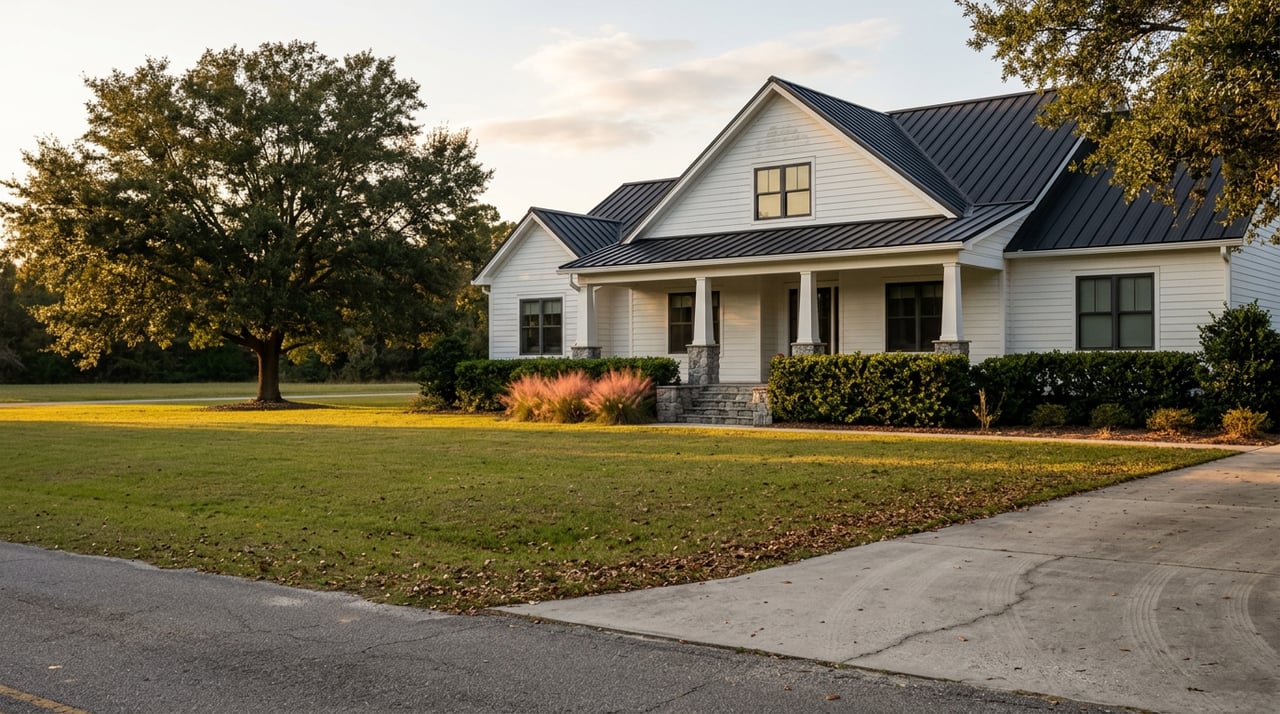
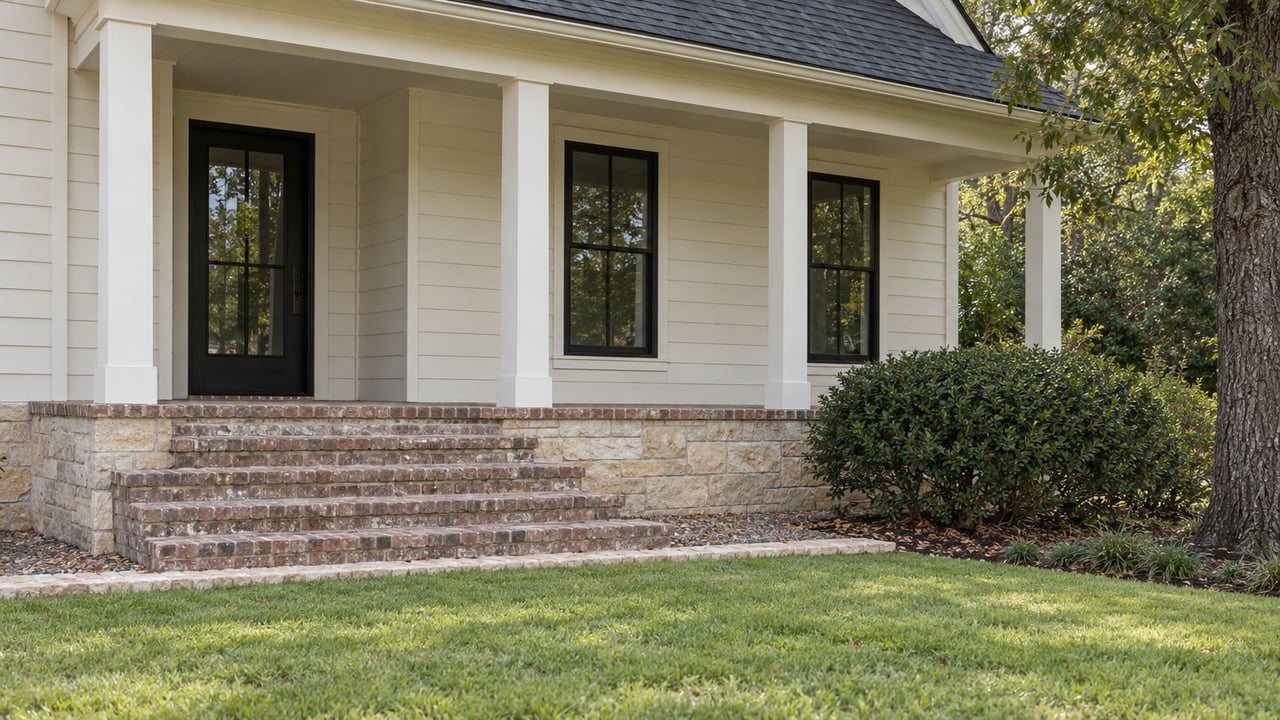
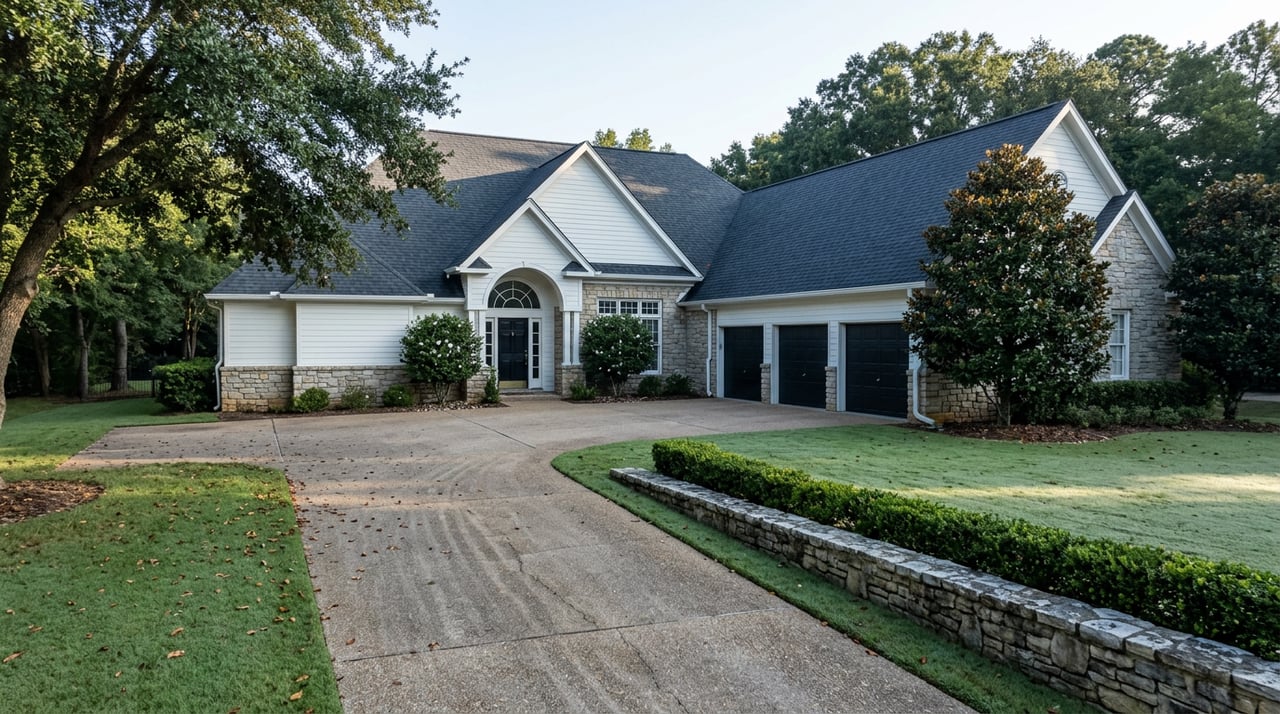
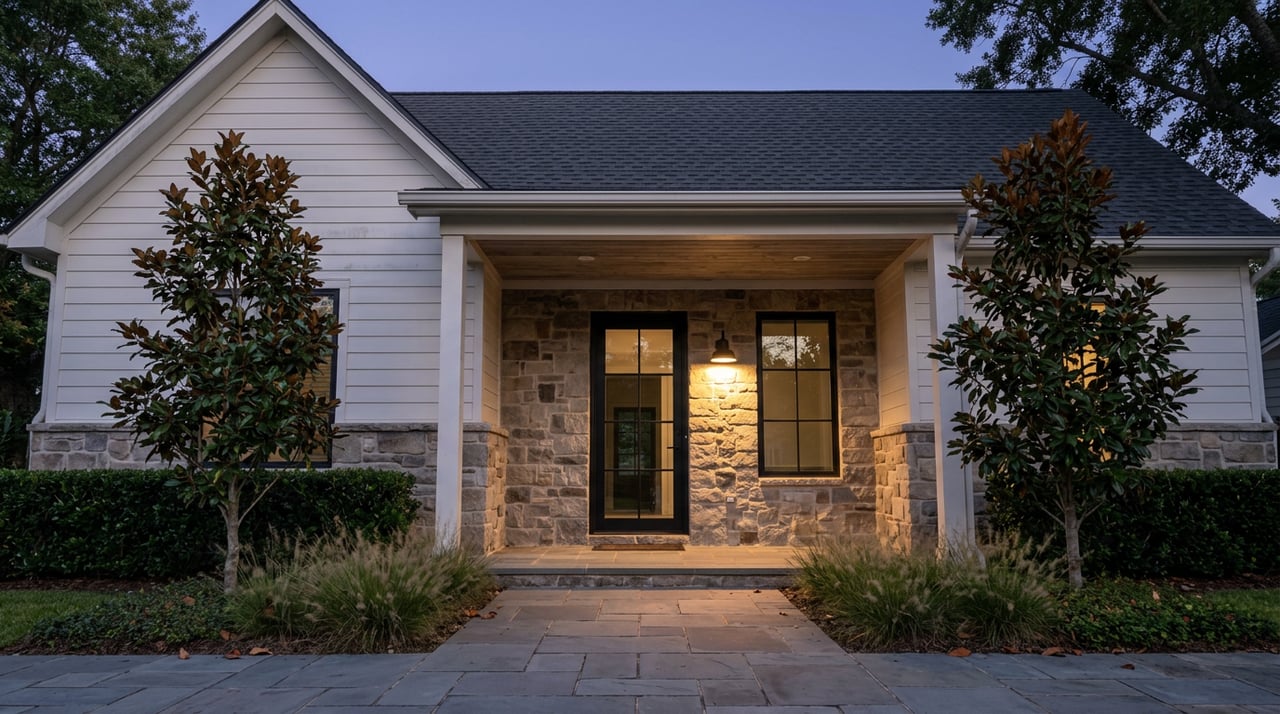
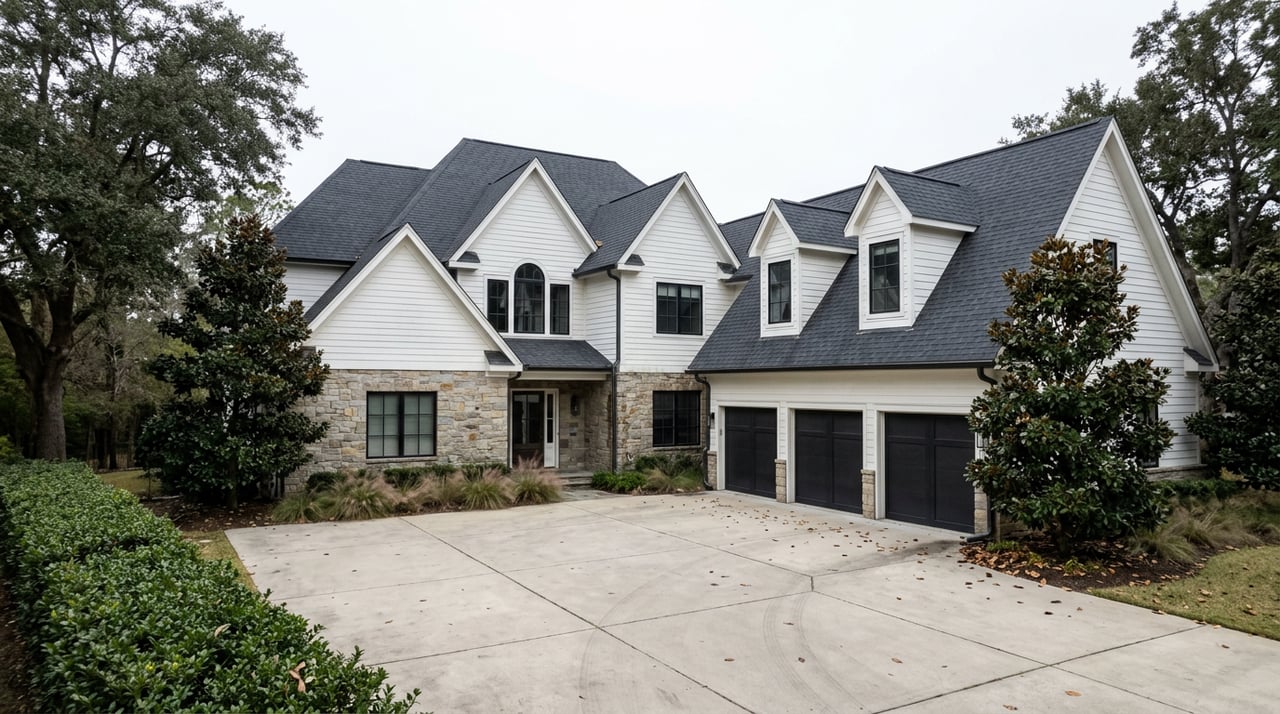
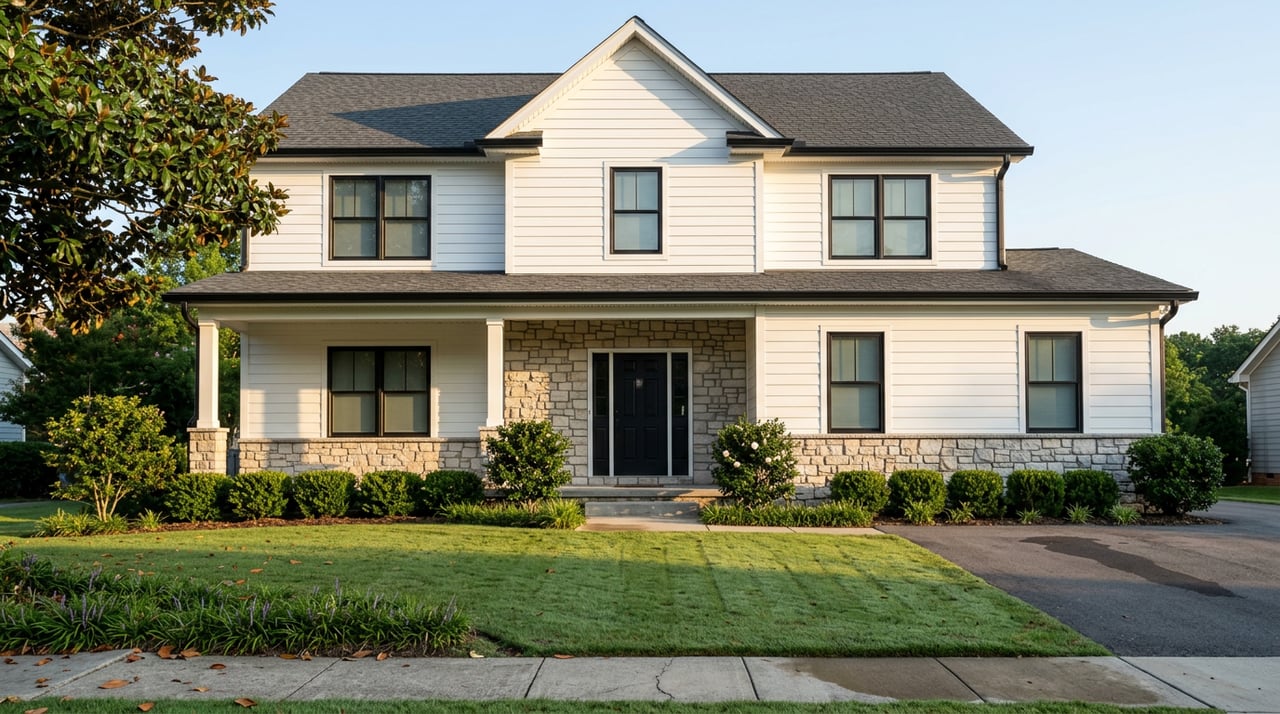
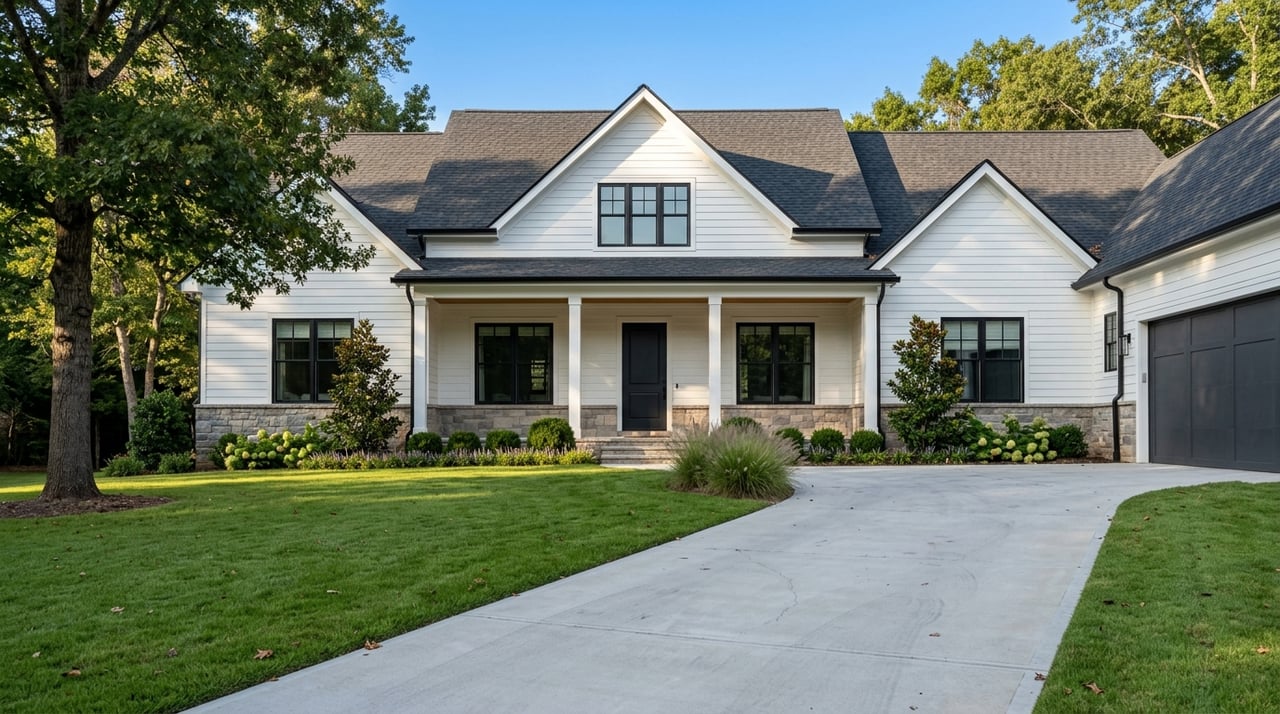
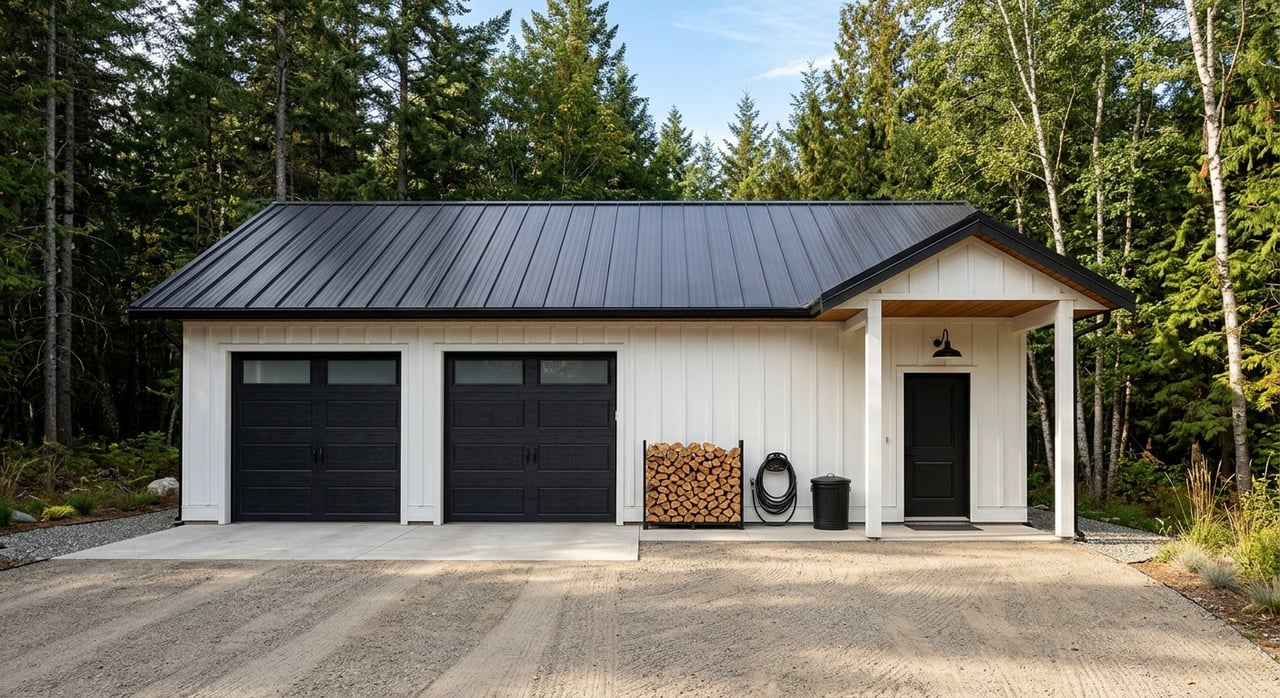
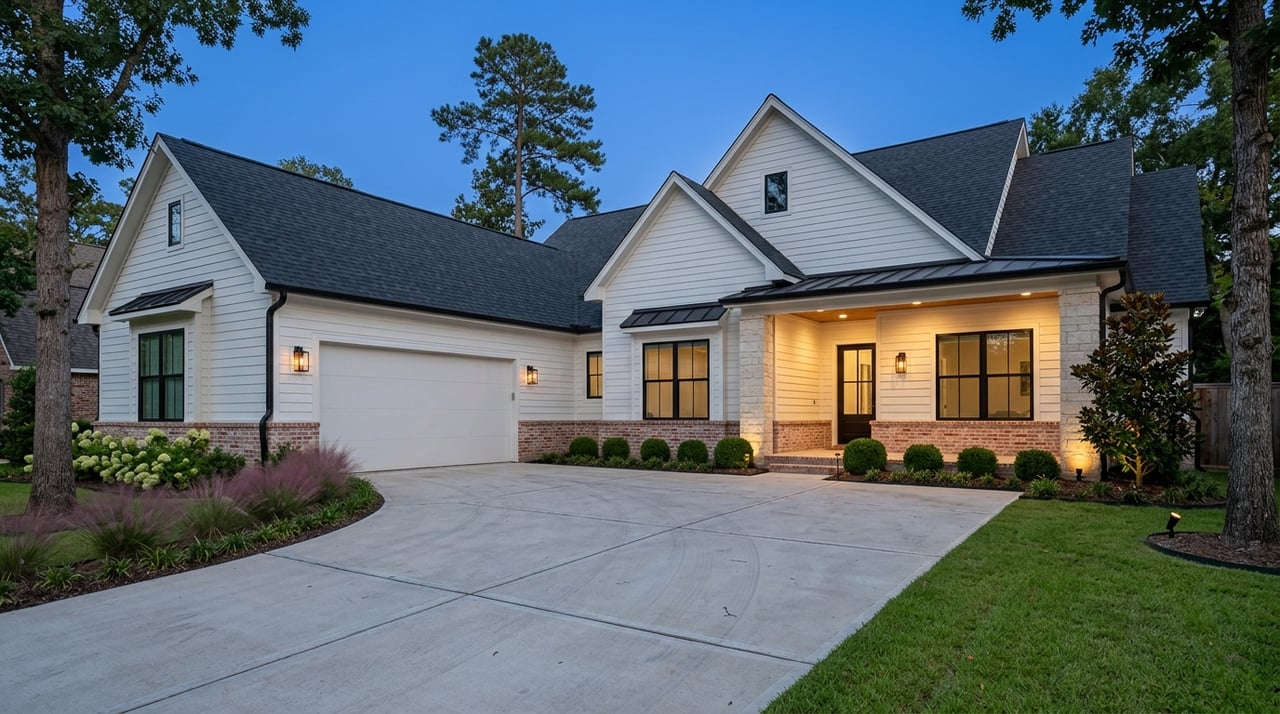
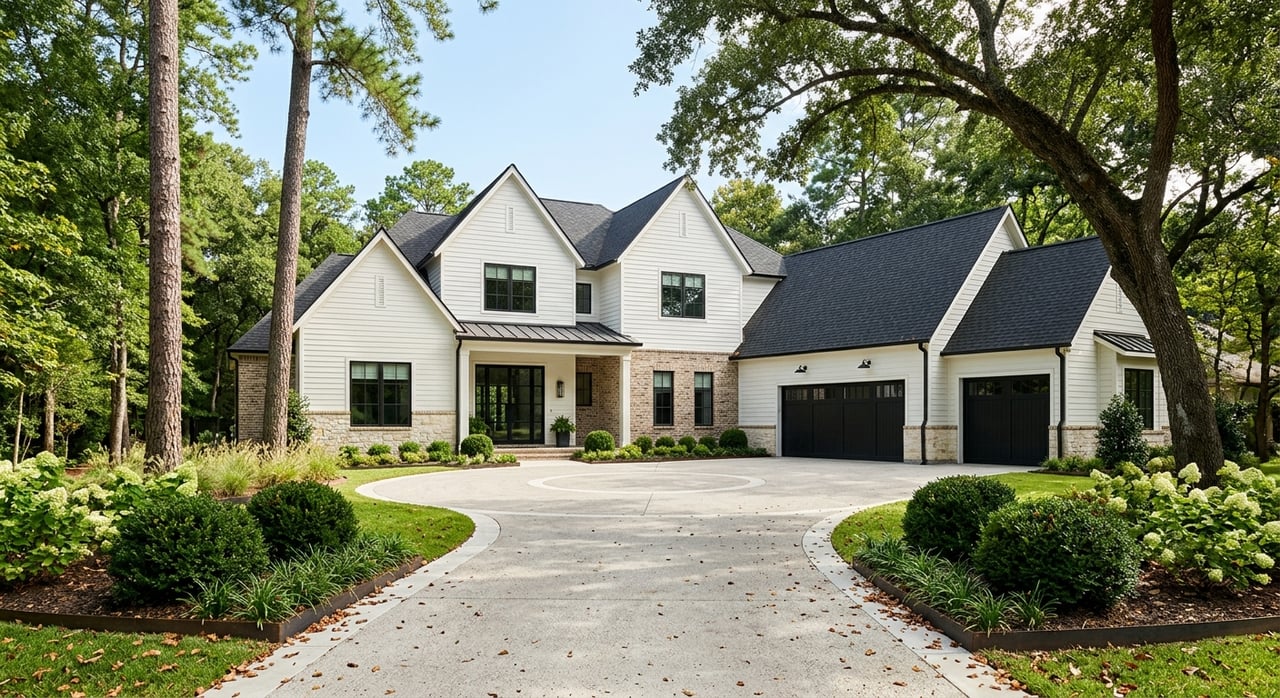
Recent listings in Red Lick illustrate exactly this spread. Some of the homes on the market sit on standard in-town lots. Others carry three to four acres, detached shops, and pools, the kind of property that pulls an average upward on its own. A city-level average price in Red Lick isn't describing a typical house. It's describing whatever mix of typical and atypical properties happened to close recently.
The premium is real, even if the number bounces
None of this means Red Lick is cheap and the higher figure is a fluke. Zillow's current home value estimates for the surrounding area put typical values in Texarkana around $190,852 and in Wake Village around $191,717. Red Lick is running well above both, and that premium tracks with something the town has built its identity around for decades: a compact K through 8 school district known locally for small class sizes, serving a city that residents voted to incorporate in 1997 specifically to manage growth pressure from encroaching Texarkana.
That premium is durable in a way the exact dollar figure isn't. Families who want the Red Lick ISD boundary are competing for a small, fixed number of homes inside it, and that scarcity supports pricing above what you'd find a few miles away in either direction. The mistake is treating any single average, old or new, as a stand-in for what a particular property is worth. In a market this thin, the average is a symptom of whichever two or three houses happened to sell. The premium for being inside the boundary is the more reliable signal.
What this means if you're comparing Red Lick to somewhere else
If you're cross-shopping Red Lick against Pleasant Grove, Wake Village, or Texarkana proper, the headline average price for any of these towns is a starting point at best. In a market as small as Red Lick, it's barely that. A few things are worth doing before you anchor a decision to a number you found online:
- Ask when the figure was last updated and what it's actually measuring. A city website's average price and a live MLS pull in the same month can differ by tens of thousands of dollars, as they currently do in Red Lick.
- Look at the individual comps, not the citywide average. In a town with a handful of monthly sales, the two or three most recent closings tell you more than the aggregate.
- Separate the acreage and pool properties from the standard in-town lots when you're estimating what a specific type of home should cost. Averaging across both produces a number that describes neither.
- Weigh the school-zone boundary itself as a pricing factor, since it appears to be driving sustained demand independent of whatever the average happens to say in a given month.
None of this is unique to Red Lick as a phenomenon. Every small, tightly bounded market in Bowie County has some version of this problem. It shows up here clearly because the gap between the published figure and the current one is large enough to notice, and because the town's small footprint makes the small-sample effect easy to trace back to specific transactions rather than statistical noise.
The number that actually matters is the one on your street
A citywide average, whether it's $310,304 or $388,000, was never built to tell you what your house or the house you're considering is worth. It's a blended figure from a market too small to blend cleanly. The way to get a real answer is to look at what's sold recently on comparable lots, inside the same school boundary, at a similar acreage, and let that comparison do the work the citywide average can't.
If you're weighing a move into Red Lick, or you own property there and want to know where it actually sits against what's closing right now, Teresa Liepman can run the comparison against current, transaction-level data rather than a citywide figure that's several years behind the market. Request a free home valuation and get a number built from what's actually selling on your side of the school district line, not from a stat that's still catching up to 2026.