Pull up ten acres for sale off Highway 67 west of Redwater and you'll likely see two numbers stacked on the listing sheet: the asking price, and an annual property tax figure that looks like a typo. A few hundred dollars a year on a piece of land worth six figures. It reads like a rounding error. It isn't. That small number is doing exactly what Texas law designed it to do, and the moment a buyer changes what the land is used for, the state can reach back and collect the difference.
This is the part of buying acreage around Redwater that rarely makes it into the conversation until a title company or an appraisal district flags it. The low tax bill on a rural tract is not a permanent feature of the property. It is a temporary discount tied to how the land is currently being used, and it belongs to whoever is farming, grazing, or otherwise working that ground, not to the acreage itself.
Two Prices, One Piece of Land
Every parcel that qualifies for Texas's agricultural open-space appraisal, known in the tax code as a 1-d-1 valuation, effectively carries two values at once. One is what the county thinks the land would sell for on the open market. The other is what the land is worth based on what it produces: hay, cattle, timber, honey. The tax bill is calculated against the second number, not the first, and the gap between the two is often enormous. Statewide land-use guides describe reductions of 85 to 95 percent off market value once a tract qualifies for this special appraisal.
That gap is not a loophole someone found. It is written into Article VIII, Section 1-d-1 of the Texas Constitution and administered through Chapter 23 of the Tax Code, with the explicit goal of keeping working land affordable to farm and ranch rather than pricing it toward development. The Texas Comptroller's office confirms the mechanism directly: qualifying land is appraised based on its capacity to produce agricultural products rather than its market value.
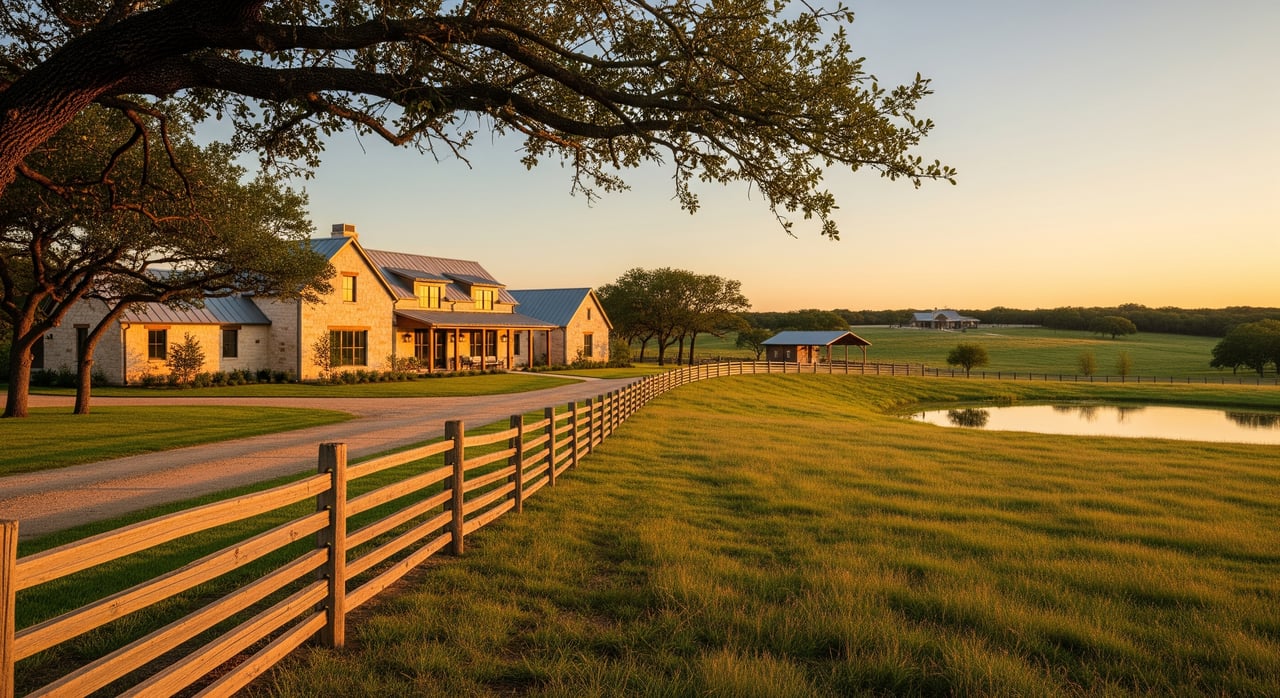
Around Redwater, a city about twelve miles southwest of Texarkana where the 2020 census recorded 100 percent of residents living in rural areas, this appraisal method touches a meaningful share of what's on the market. As of August 2026, active land listings in the area were averaging roughly $5,227 per acre, spread across dozens of tracts that range from small home sites to larger timber and pasture parcels. Some of that acreage carries an agricultural valuation already. Some doesn't. The listing sheet rarely says which.
What Actually Ends the Discount
The valuation stays in place as long as the qualifying use continues. Cattle stay on the pasture, hay gets cut, timber gets managed. The instant that changes because someone subdivides the tract, stops the agricultural activity, or builds a home across what used to be grazing land, the appraisal district can pull the special valuation and recalculate.
The Comptroller's rule is specific here: when land receiving an agricultural appraisal changes to a non-agricultural use, a rollback tax is triggered covering each of the previous three years in which the land benefited from the lower appraisal. The amount owed is the difference between what was actually paid under the agricultural value and what would have been paid at full market value across those years, with interest added on top.
The tax bill you see on a listing describes how the land is being used today. It says nothing about what you plan to do with it tomorrow.
The mechanism matters because of who ends up holding the bill. Under the general rule, the rollback tax follows whoever owns the property at the moment the use changes, not whoever benefited from the lower payments in prior years. A buyer who closes on ag-valued acreage and then clears it for a homestead can trigger a rollback tax that has nothing to do with the seller's tax history and everything to do with the new owner's plans.
Reading the Two States of the Same Parcel
| While Qualifying Use Continues | After the Use Changes | |
|---|---|---|
| Taxable basis | Productivity value (what the land produces) | Market value (what it would sell for) |
| Who benefits | Current owner, as long as agricultural or timber use is maintained | No one; the discount ends |
| Look-back exposure | None | Prior three years recalculated at market value, plus interest |
| Who typically owes it | Not applicable | Whoever owns the land when the use changes |
The table isn't hypothetical. It's how the appraisal district treats every 1-d-1 parcel in the state, Bowie County included. What changes from tract to tract is the size of the gap between those two rows, and that gap is largest on exactly the kind of land that draws buyers to Redwater in the first place: acreage close enough to town for a commute, far enough out to feel like the country.
The Partial-Build Workaround
Not every buyer planning a homestead needs to give up the agricultural valuation entirely. If a buyer carves out a portion of a larger tract for a house and keeps the remaining acreage in genuine qualifying use, documented and reported to the appraisal district, the rollback typically applies only to the portion that changed use rather than the whole parcel. That distinction is worth confirming in writing before closing, not after a builder has already broken ground, because the appraisal district makes the call based on how the land is actually managed once ownership changes, not on what a buyer intended to do.
It's also worth knowing that an agricultural valuation does not transfer automatically with a sale. The new owner has to file their own application with the county, generally by April 30 of the year following the purchase, using the same qualifying-use history the seller established. Buyers who assume the valuation just carries over sometimes find out the hard way that paperwork was due months earlier.
What to Check Before Writing an Offer
Texas contracts for real property sales are required to disclose specific information about a property's eligibility for special appraisal, which gives buyers a starting point rather than the full picture. The more useful step is contacting the Bowie Central Appraisal District directly to confirm three things on any acreage tract under consideration: whether the land currently carries a 1-d-1 valuation, how many years it has held that status, and what the market value on file would translate to in taxes if the valuation were removed.
That last number is the one that matters most. It tells a buyer what they're actually signing up for if their plans for the land, now or five years from now, involve anything other than keeping cattle on it or cutting hay. For context, the average Texarkana, TX home value sat at $203,306 as of June 2026, according to Zillow's home value index. A rural buyer comparing that in-town figure to a rock-bottom tax bill on ten acres outside Redwater is often comparing two very different tax realities, not two comparably priced pieces of property.
Frequently Asked Questions
Does the seller's low tax bill mean I'll pay the same amount after closing? Only if the land stays in the same qualifying agricultural use. The valuation attaches to how the land is used, not to who owns it, so a change in use after closing resets the calculation regardless of what the seller was paying.
If I only build a house on part of a larger tract, does the whole property lose its valuation? Generally no. Appraisal districts typically apply the rollback only to the portion converted to non-agricultural use, provided the remaining acreage stays in documented qualifying use. Confirming this with the appraisal district before closing is the safer route.
How far back can the county reach if I change the land's use? Current Texas Comptroller rules set the rollback period at the previous three years, with interest added to the recalculated difference between agricultural and market value taxes.
Acreage around Redwater has real appeal, and the tax mechanism behind it isn't a red flag so much as a detail that changes the math depending on what you plan to do with the land. Working through that math before you write an offer, rather than after the appraisal notice arrives, is the kind of due diligence Teresa Liepman walks acreage buyers through on every rural tract she shows. If you're weighing a Redwater property against a home in town, reach out and get the specific numbers on that parcel before you decide.