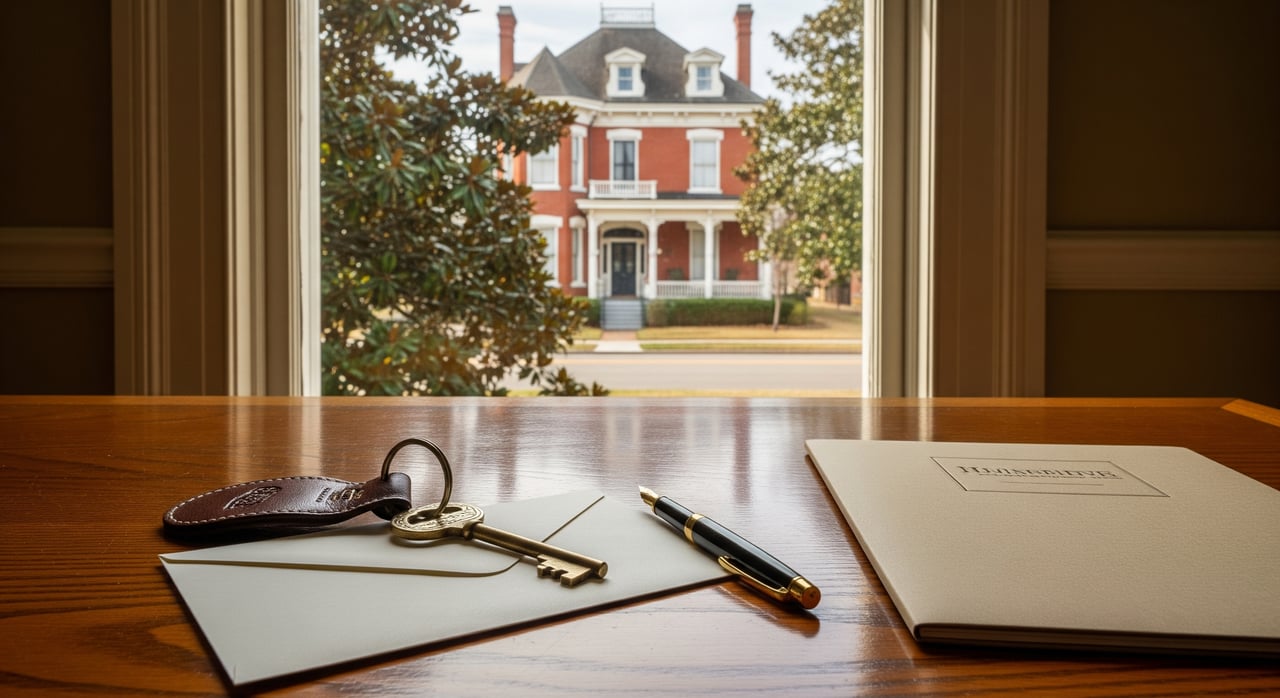
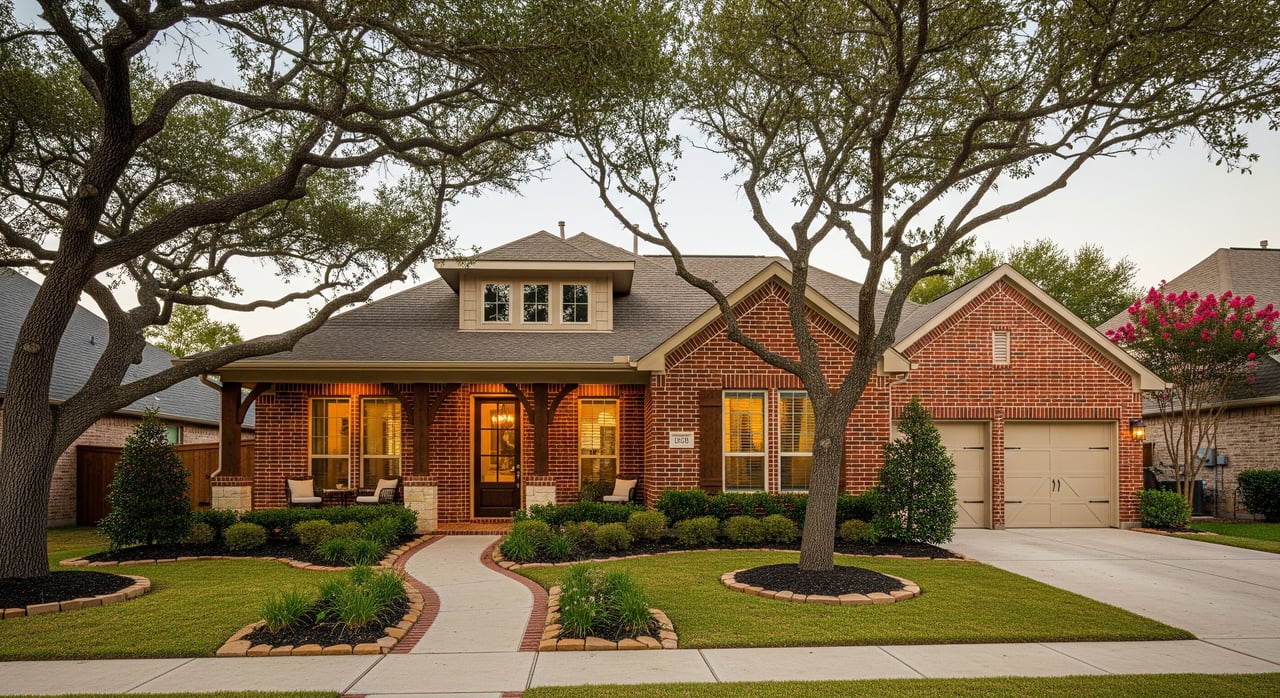
Buying a home in Texarkana, Arkansas can feel simple at first glance, until you realize one key detail: this is a state-line market, and the Arkansas side follows its own rules, timelines, and county offices. If you are buying for the first time, relocating from Texas, or just want a smoother process, it helps to know what happens before you start touring homes. This guide walks you through each step, from budgeting and pre-approval to inspections, closing, and what to do after you get the keys. Let’s dive in.
Understand the Texarkana, Arkansas market
Texarkana, Arkansas is the county seat of Miller County and sits directly on the Arkansas-Texas state line, with access to I-30 and other city resources through the City of Texarkana. That location makes it especially important to know whether the home you are considering is on the Arkansas side, because your purchase will follow Arkansas forms, Arkansas property tax rules, and Miller County procedures.
Local price data can vary depending on the source and method used. Recent snapshots show a February 2026 median sale price of $176K from Redfin, a median listing price of $202,500 with 206 homes for sale from Realtor.com, and a Zillow average home value of $164,555 as of February 28, 2026. The big takeaway is not to compare those numbers as exact equivalents, but to treat them as general market context while you focus on the specific home, location, and terms that fit your goals.
Step 1: Review your budget first
Before you look at homes, take a close look at your full monthly budget and cash available for the purchase. The Consumer Financial Protection Bureau says lenders typically review your income, assets, employment, savings, debts, credit report, and credit score when deciding whether to approve your mortgage.
It also helps to plan beyond the mortgage payment. Homeownership costs can include principal and interest, mortgage insurance, property taxes, homeowner’s insurance, flood insurance if required, HOA fees, maintenance, repairs, and utilities. If you build those items into your plan early, you will shop with more confidence and fewer surprises.
Budget for upfront costs
Many buyers focus on the down payment and forget about closing costs. The CFPB notes that closing costs usually range from 2% to 5% of the purchase price, not including your down payment.
That means your upfront cash could include:
- Earnest money
- Down payment
- Closing costs
- Inspection costs
- Moving expenses
- Immediate repairs or updates after closing
Step 2: Get pre-approved early
Pre-approval is one of the smartest early moves you can make. It gives you a realistic price range, helps you understand your loan options, and shows sellers that you are serious when it is time to make an offer.
If you are a first-time buyer, Arkansas may offer helpful assistance. According to ADFA’s StartSmart program, eligible first-time buyers who have not owned a principal residence in the prior three years may qualify for programs that use a minimum credit score of 640, and down payment assistance may provide $1,000 to $15,000 toward down payment and closing costs.
Step 3: Learn Arkansas-side paperwork basics
Before touring homes or writing an offer, you may be asked to sign an Agency Representation Disclosure Form. This form helps explain who the agent represents in the transaction, which is important for understanding your relationship and the level of representation you are receiving.
This matters even more in a cross-border market like Texarkana. A home may be part of one metro area, but if it is on the Arkansas side, the transaction follows Arkansas rules and practices.
Step 4: Start your home search strategically
Once your financing is lined up, you can begin narrowing down homes based on your needs, budget, and preferred location. In Texarkana, Arkansas, your search should include more than square footage and price.
You should also think about practical local factors such as commute routes, access to major roads, whether the property is inside city limits, and whether future plans for the property might require planning review. The city’s Planning and Zoning Division handles zoning, building permits, development review, code enforcement, special use requests, and historic preservation.
Verify plans for the property
If you are considering an older home, vacant land, a property with additions, or new construction, it is wise to verify zoning and permit-related issues before closing. For some properties, that extra research can save you time and money later.
For new construction or a property that needs a new street number, the city notes that Miller County’s 911 Address Authority handles new address requests. That is one more example of why local follow-through matters in this market.
Step 5: Make an offer with the right contingencies
When you find the right home, your offer should reflect not just price, but also the protections you need as a buyer. In Arkansas, one important point is that there is no state law requiring every individual seller to provide a property condition disclosure.
According to the Arkansas Real Estate Commission, buyers may request a Seller Property Disclosure through the contract process, and that is commonly handled through Arkansas REALTORS forms. In practical terms, this means you should not assume disclosures will automatically appear without being addressed in the offer.
Step 6: Schedule inspections before you are fully committed
A home inspection is one of the most important parts of buying a home. The CFPB explains in its Your Home Loan Toolkit that the home inspector works for you, the buyer, and should report on whether the home is in good condition before you are finally committed to purchase.
An inspection can help you understand the home’s condition, identify repairs, and decide whether to move forward, renegotiate, or request repairs depending on your contract terms. Even if a home looks well cared for, an inspection adds a layer of clarity that protects your investment.
Step 7: Review your Closing Disclosure carefully
As you move toward closing, your lender should provide the official Closing Disclosure at least three days before closing. According to the CFPB’s home loan toolkit, this document lays out your final loan terms and key costs.
Review it closely for:
- Loan terms
- Title-related services
- Property taxes
- Homeowner’s insurance
- Flood insurance, if required
- Cash needed to close
This is your chance to compare the final figures to what you expected. If something looks different, ask questions before closing day.
Step 8: Know what happens at closing in Miller County
After closing, your ownership documents are recorded in the public record. In Miller County, the Circuit Clerk records deeds, mortgages, liens, plats, and other property instruments.
If you ever need to understand where ownership is officially documented, that office is a key part of the process. For buyers, it is helpful to know that closing is not just about signing papers. It also leads to formal public recording of the transaction.
Step 9: Prepare for property taxes and local records
After you buy, it is important to stay on top of your tax responsibilities. The Miller County Collector says real estate and personal property taxes are due from March 1 through October 15 each year, and a 10% penalty applies after the deadline. Arkansas DFA also confirms the October 15 property tax deadline.
The Miller County Assessor says real property is appraised and assessed between the first Monday in January and July 1, and the county completes a countywide reappraisal every four years. The office also notes that real estate records are open to the public.
Do not overlook personal property assessment
If you are relocating to Arkansas, this step is easy to miss. Miller County says personal property must be assessed by the owner between January 2 and May 31, and missing that deadline can trigger a 10% penalty.
That is especially relevant if you are bringing vehicles into the state. It is separate from your home purchase, but still part of settling in smoothly.
Check for a homestead credit
If the home will be your principal residence, you may qualify for Arkansas property tax relief. The Arkansas Department of Finance and Administration says the homestead property tax credit is up to $425, with an increase authorized to up to $500 beginning with the 2025 tax bills.
The credit is claimed through the county assessor, so it is worth asking about after closing if the home will be your primary residence.
Step 10: Use local offices when questions come up
One helpful local detail is that several key Miller County offices are located on Laurel Street in downtown Texarkana. The Assessor is at 400 Laurel Street, Suite 100, the Collector is in Suite 111, and the Circuit Clerk is in Suite 109.
If you have questions about tax records, assessments, or recorded documents, knowing where to start can make the post-closing process much easier.
Why local guidance matters in Texarkana
Buying in Texarkana, Arkansas is not just a standard home purchase. It is a purchase in a shared metro area where the state line changes the rules, paperwork, and county procedures you follow.
That is why working with a broker who understands Arkansas transactions, Miller County offices, and cross-border moves can save you time and stress. If you are planning a move on the Arkansas side of Texarkana, Teresa Liepman can help you navigate the process with clear local guidance and responsive buyer support.
FAQs
What should I budget for upfront when buying a home in Texarkana, Arkansas?
- You should plan for more than just the down payment. CFPB says closing costs typically run 2% to 5% of the purchase price, and you may also need funds for earnest money, inspections, moving, and early repairs.
When should I get pre-approved for a home loan in Texarkana, Arkansas?
- You should get pre-approved before you begin seriously touring homes or writing offers, because it helps define your budget and shows sellers you are financially prepared.
Do Arkansas home sellers have to provide a property condition disclosure?
- Not always. The Arkansas Real Estate Commission says there is no law requiring every individual seller to provide one, so buyers often request a Seller Property Disclosure as part of the offer.
What inspection matters most when buying a home in Texarkana, Arkansas?
- A general home inspection is a key step because the inspector works for you and reports on the home’s condition before you are finally committed to purchase.
Which Miller County office records my deed after closing?
- The Miller County Circuit Clerk records deeds, mortgages, liens, plats, and other property instruments after the transaction closes.
When are property taxes due for a home in Miller County, Arkansas?
- Miller County real estate and personal property taxes are due from March 1 through October 15, and a 10% penalty applies after the deadline.
Can I get a homestead tax credit on my Texarkana, Arkansas home?
- If the home is your principal residence, you may qualify for the Arkansas homestead property tax credit, which is claimed through the county assessor.
What makes buying on the Arkansas side of Texarkana different?
- Even though Texarkana is one metro area, Arkansas-side purchases follow Arkansas forms, Arkansas tax rules, and Miller County recording and assessment procedures.