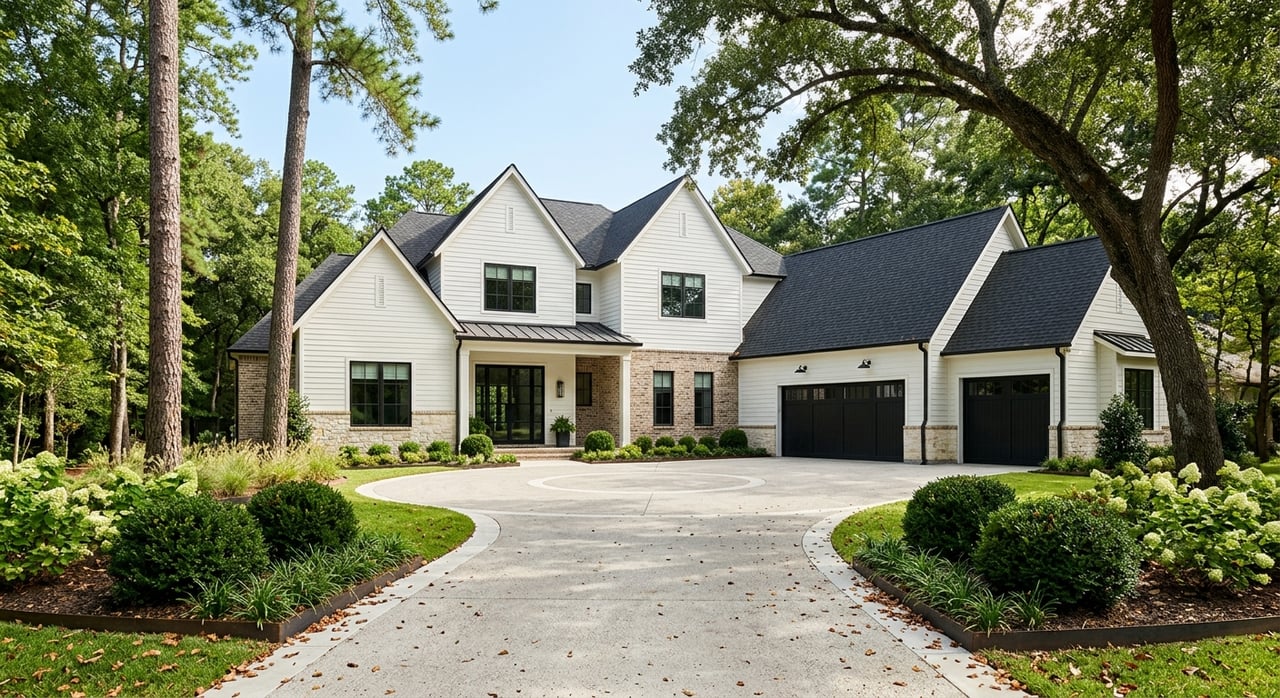
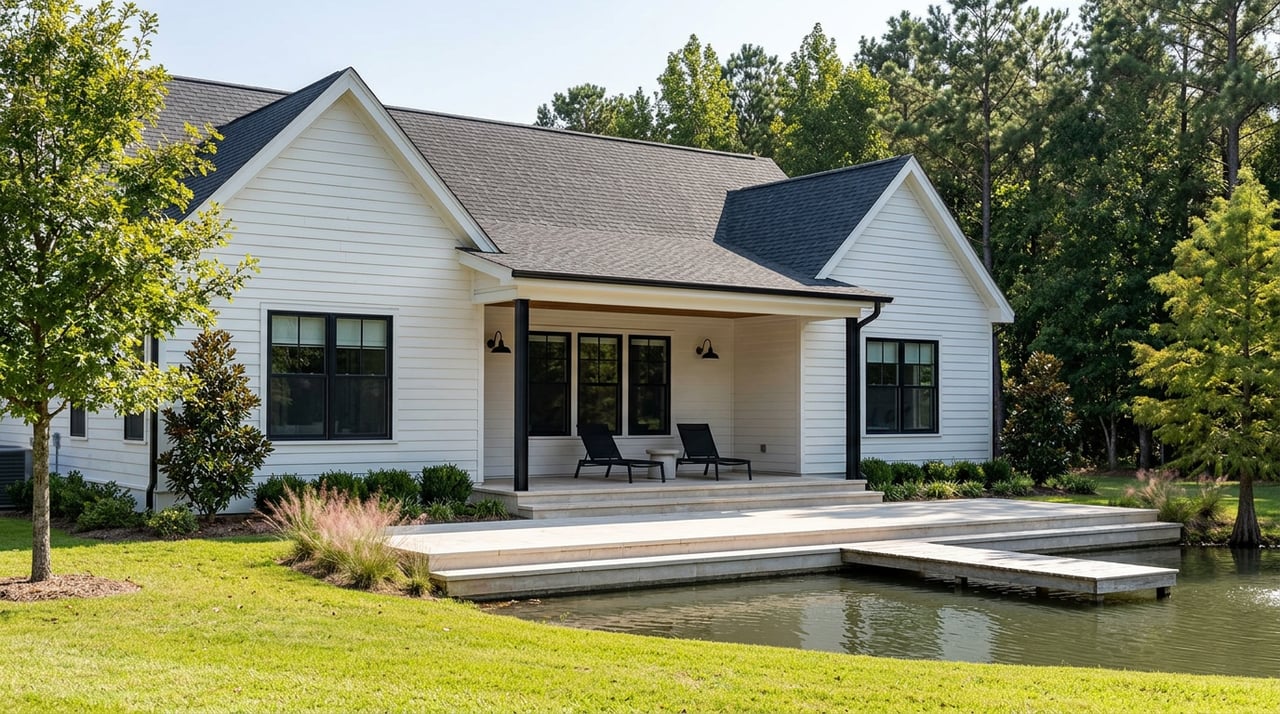
Looking at land or a lake property near Redwater can feel exciting right up until the practical questions start piling up. Can you build where you want, will septic work, and does that "lake access" actually mean what you think it means? If you are hoping to buy acreage or a place near Wright Patman Lake, this guide will help you focus on the details that matter most before you make an offer. Let’s dive in.
Why Redwater Properties Need Extra Due Diligence
Redwater buyers often have to evaluate more than just the house or the view. You may be comparing property inside Redwater city limits with land in rural Bowie County, and that can change what rules apply to building, utilities, and future improvements.
The City of Redwater provides ordinances covering zoning, building permits, flood-damage-prevention rules, and mobile-home rules. The city also lists utility contacts for water, sewer, trash, and other services for in-town properties. That means one of your first questions should be simple: Is the property inside city limits or outside them?
If the parcel is inside the city, local zoning and permitting can affect what you can build or add later. If it is outside the city, rural land questions like access, septic feasibility, drainage, and maintenance can become even more important.
Wright Patman Lake and Redwater Access
For buyers in Redwater, Wright Patman Lake is the main nearby lake to know. Texas Parks and Wildlife describes it as a 20,143-acre reservoir in Bowie and Cass counties about 10 miles southwest of Texarkana, making it a realistic recreation option for local owners.
One practical detail matters here. Big Creek Marina can be reached by taking FM 991 south from Redwater, which helps explain why buyers often consider Redwater when they want room to spread out and convenient access to the lake.
That said, proximity to the lake is not the same as having usable waterfront rights. Wright Patman includes a mix of public, fee-based, county, state, USACE, and private or lease access points, so you need to confirm exactly what comes with a property before assuming you have dock access or private shoreline use.
Start With Buildability
Acreage can look perfect from the road and still have major site limitations. Before you treat a tract as buildable, check the basics that affect where a home, driveway, or septic system can realistically go.
Check Soils First
The USDA NRCS Web Soil Survey is the official online source for soils information. For buyers, it is a starting point for understanding drainage, shrink-swell potential, and other land characteristics that may affect construction or site prep.
This does not replace professional evaluation, but it helps you avoid making assumptions too early. A beautiful open tract may still have soil conditions that change where or how you build.
Treat Septic as Parcel-Specific
If a property is not served by city sewer, do not assume septic will be easy. The Texas Commission on Environmental Quality says on-site sewage facilities must be designed from a site evaluation that accounts for local conditions, and Bowie County has an adopted order regulating these systems.
In plain terms, septic feasibility is a parcel-by-parcel issue. The layout, soil, and site conditions all matter, so this should be verified during your due diligence period.
Verify Flood Exposure Separately
Flood exposure is a separate question from soils and septic. FEMA identifies the Flood Map Service Center as the official public source for flood-hazard maps, so buyers should independently verify whether part of a tract or shoreline lot falls within a mapped flood area.
This step matters even if the property appears dry during a showing. A tract can have usable land and still include flood-prone sections that affect building placement, insurance needs, or long-term plans.
Review County Records Before You Commit
Rural and lake properties often require more paperwork review than a standard in-town home. Before making assumptions about acreage, access, or ownership details, pull the public records that help confirm what you are really buying.
The Bowie County Clerk provides real-property and public-record search access. Bowie CAD also offers property search tools by account number, address, owner name, legal name, or property key.
These records can help you verify:
- deed information
- legal description
- parcel history
- reported acreage
- ownership details
- appraisal and tax context
Bowie CAD also notes that taxable property is appraised as of January 1 for local taxing units. That makes CAD data useful when you are reviewing taxes and comparing how a property has been assessed over time.
Ask About Easements, Minerals, and Access
Texas land ownership can be more layered than many buyers expect. Texas A&M AgriLife Extension notes that mineral rights are often separated from surface ownership in Texas, which is an important reminder that owning the land surface does not always mean you own everything below it.
You should also ask about easements and access responsibilities. TREC has adopted rule updates that will soon add questions about private-road maintenance, conservation easements, insurance, storage tanks, and groundwater or surface-water rights, so it is smart to verify these issues directly as part of your contract review and title work.
For acreage or rural properties, key questions include:
- Who maintains the road or drive access?
- Are there recorded easements across the property?
- Are mineral rights included, excluded, or unknown?
- Are there conservation restrictions?
- Are there water-related rights or limitations tied to the tract?
These are not small details. They shape how you use the land and what responsibilities may come with ownership.
Lake Property Questions to Ask Early
If you are buying near Wright Patman Lake, the water itself is only part of the story. The more important question is what legal rights and physical conditions come with that location.
Confirm the Type of Water Access
Do not rely on phrases like "near the lake" or "lake access" without specifics. You should confirm whether the property includes deeded waterfront, dock rights, a shared easement, or only convenient access to public ramps or marinas.
That distinction can change both value and lifestyle. A property close to the water may still depend entirely on public access rather than private use rights.
Watch for Water-Level Changes
USACE cautions that Wright Patman Lake water levels vary and underwater obstructions may be present. For buyers, that means shoreline condition, dock usability, bank stability, and boating access may differ from what listing photos suggest.
This is especially important if your goal is to keep a boat, fish regularly, or use the shoreline with minimal upkeep. A showing on one day may not reflect typical conditions across seasons.
Consider Shoreline Maintenance
Texas Parks and Wildlife notes historical issues at Wright Patman involving hydrilla, water hyacinth, and giant salvinia. Its reservoir survey also notes that fluctuating water levels have not been conducive to aquatic plant growth.
For you as a buyer, this means it is worth asking about weeds, erosion, dock upkeep, and general shoreline maintenance. If low-maintenance lake living is your goal, these questions should come up early.
Use the Option Period Wisely
In Texas, the option period is usually the key window for buyer due diligence. TREC says the termination option is negotiable, no option fee is required, and buyers can use that period to inspect the property and negotiate repairs.
On acreage or lake property, this is the time to move quickly on the inspections and records review that matter most. Once that window closes, it can become harder to unwind the deal if major issues surface.
During the option period, consider reviewing or ordering:
- home inspection
- septic evaluation
- well information, if applicable
- boundary or survey review
- flood-map review
- soils information
- title commitment review
- dock or shoreline condition checks, if relevant
The main goal is simple. Make sure the property matches your expectations before you move deeper into the transaction.
Understand the Texas Buying Timeline
After your offer is accepted, timing still matters. Fannie Mae's consumer guidance says offers should include timing details such as the proposed closing date and offer expiration date, and it describes contingencies as conditions such as inspection and financing approval.
That is especially relevant for Redwater acreage and lake buyers because these properties often require more site-specific review than a typical resale home. You may need extra coordination for inspections, records, and property questions.
Budgeting also matters early. Fannie Mae says closing costs generally run about 2% to 5% of the purchase price, and CFPB says preapproval letters often expire in 30 to 60 days.
At closing, CFPB says the loan closing and home-purchase closing typically happen at the same time, and buyers should receive the Closing Disclosure at least three business days before closing. That gives you time to review the final numbers and catch errors before signing.
A Smart Buying Sequence for Redwater
If you want a clear plan, use this sequence when evaluating acreage or lake property in the Redwater area.
- Confirm whether the property is inside Redwater city limits or in rural Bowie County.
- Review city rules if the property is in town, especially zoning, permits, utilities, and use restrictions.
- Pull Bowie County Clerk and Bowie CAD records.
- Check soils, flood maps, and septic feasibility before treating the land as buildable.
- Verify easements, mineral rights, road maintenance, and water-access details.
- Use the option period to complete inspections and negotiate based on what you learn.
This process can help you avoid the most common surprises. It also gives you a more realistic picture of cost, usability, and long-term enjoyment.
If you are weighing acreage, waterfront, or lake-access property around Redwater, having a local guide can make the process much clearer. Teresa Liepman can help you sort through the records, questions, and property details that matter most so you can buy with confidence.
FAQs
What should buyers check first on Redwater acreage?
- Start by confirming whether the property is inside Redwater city limits or in rural Bowie County, then review records, soils, flood maps, and septic feasibility before assuming the tract is buildable.
What does lake access mean for Redwater buyers near Wright Patman Lake?
- Lake access can mean deeded waterfront, dock rights, a shared easement, or simply nearby public access, so buyers should verify exactly what rights come with the property.
How big is Wright Patman Lake near Redwater?
- Texas Parks and Wildlife describes Wright Patman Lake as a 20,143-acre reservoir in Bowie and Cass counties about 10 miles southwest of Texarkana.
What records should Redwater acreage buyers review before making an offer?
- Buyers should review deed records, legal descriptions, parcel history, appraisal data, surveys if available, flood maps, soils information, and any septic or access-related records tied to the property.
Why is the option period important for Redwater land and lake purchases?
- In Texas, the option period is usually the main due-diligence window for inspections, records review, and negotiations, which is especially important for rural and lake properties with more parcel-specific risks.
How much should Redwater buyers budget for closing costs?
- Fannie Mae says closing costs generally run about 2% to 5% of the purchase price, so buyers should plan for that range in addition to down payment and inspection-related costs.