Wondering how to get your Red Lick acreage market-ready without wasting time or over-improving the property? If you are preparing to sell land with a home, barn, workshop, or just open ground, the right prep can make a big difference in how buyers respond. A well-prepared tract helps buyers understand access, use, and value before they ever schedule a showing. Let’s dive in.
Why acreage prep matters in Red Lick
Selling acreage is different from selling a house in a neighborhood. In Red Lick, buyers are often evaluating the land first, then the structures, access points, and systems that support day-to-day use. That means the road frontage, gate, driveway, fence lines, and outdoor spaces all shape the first impression.
That first impression usually happens online. According to NAR's 2025 buyer trends report, 51% of buyers found the home they purchased online, while 83% rated listing photos very useful, 41% rated virtual tours very useful, and 29% rated videos very useful. For acreage, that tells you one thing clearly: presentation starts long before a buyer steps on the property.
Start at the property edge
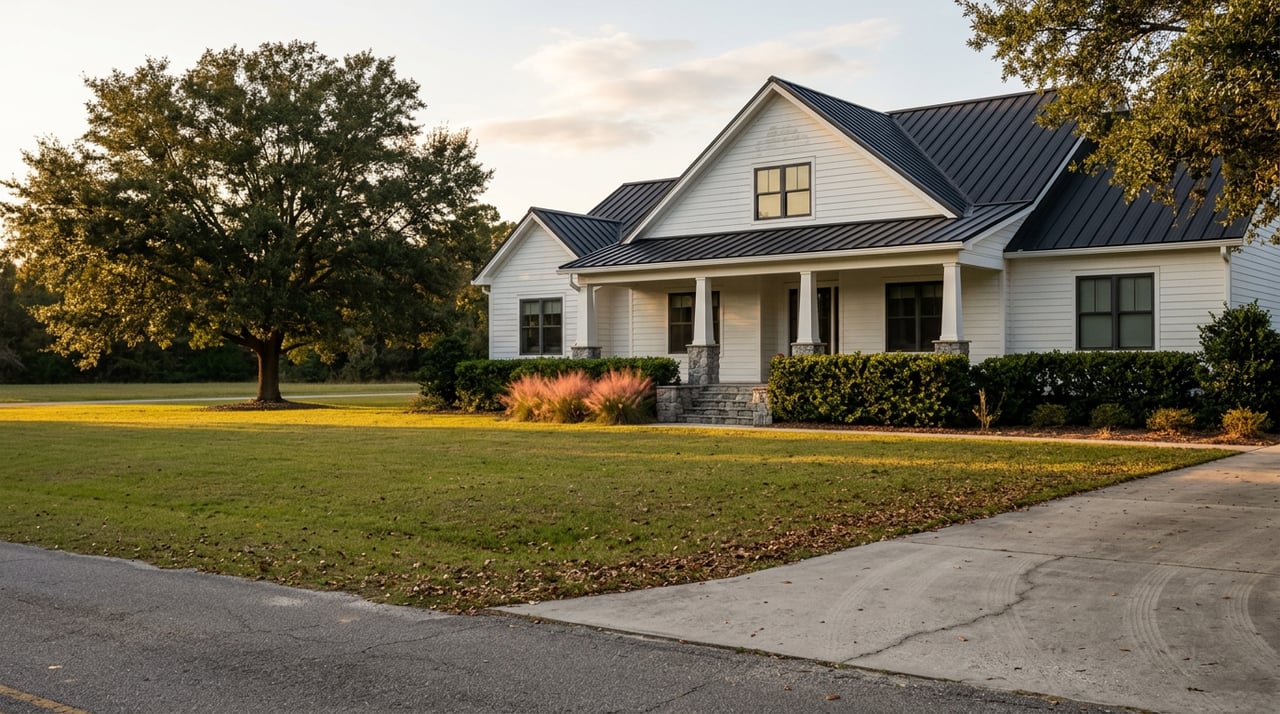
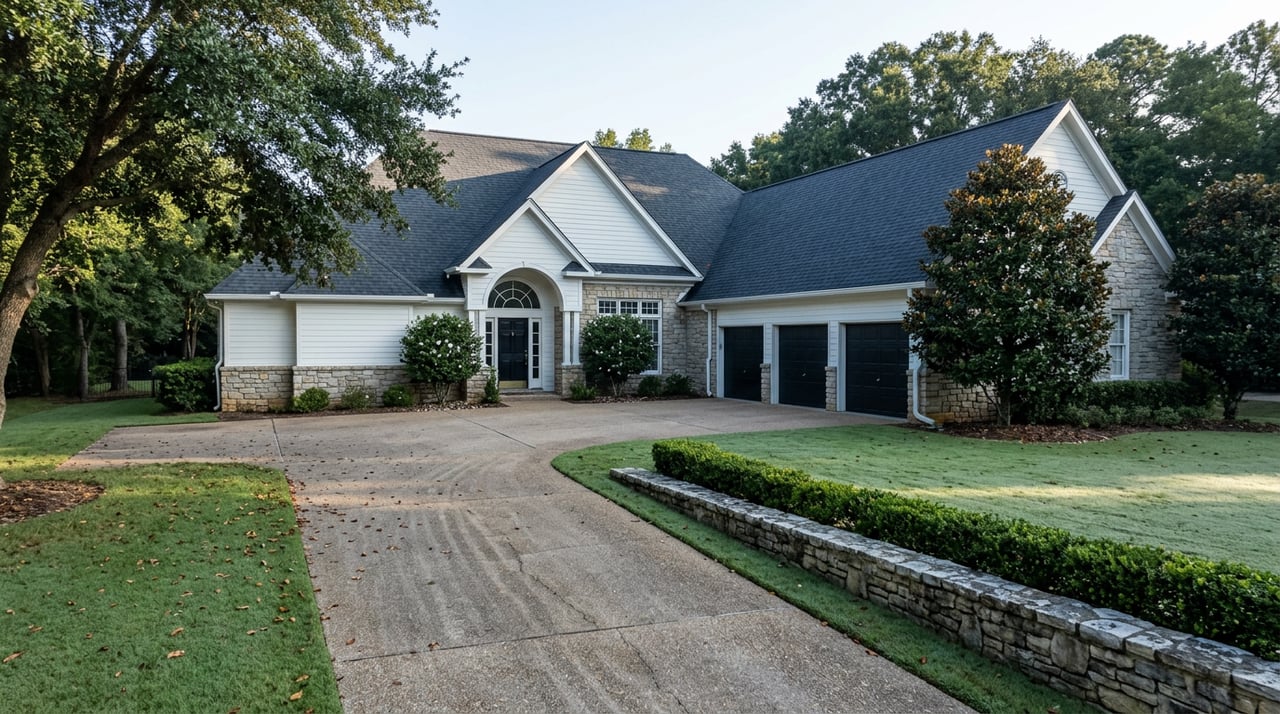
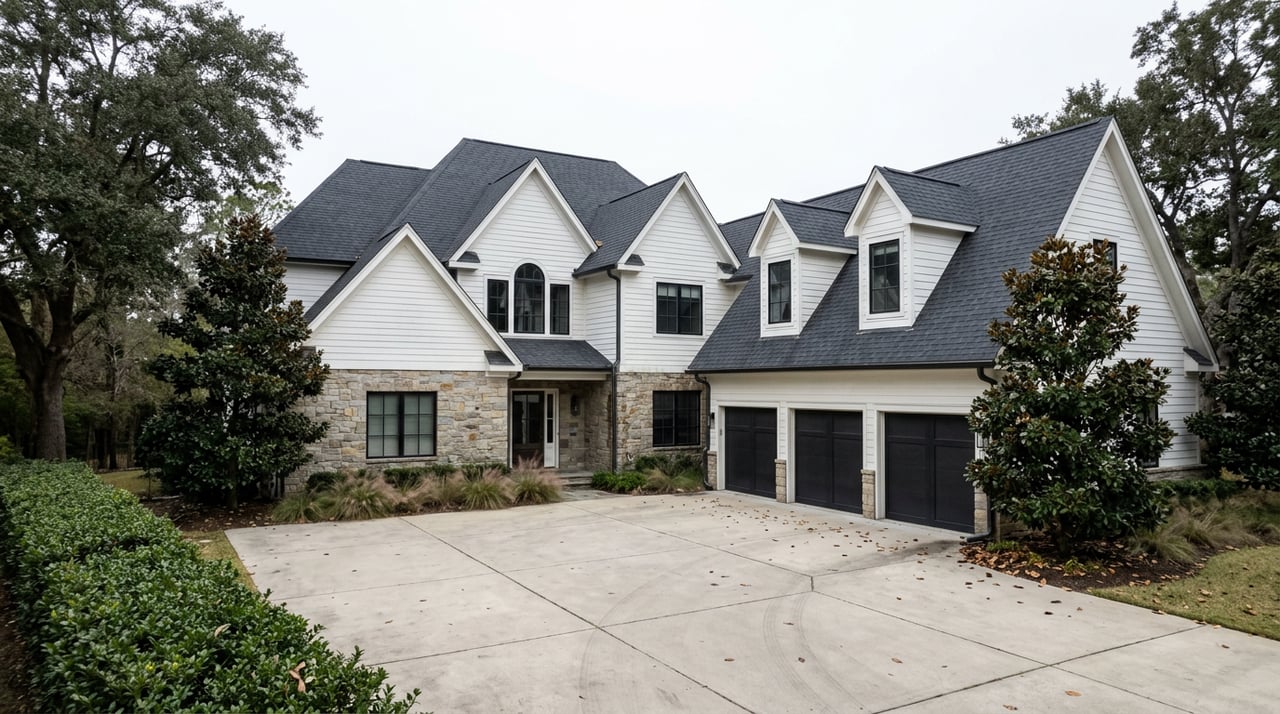
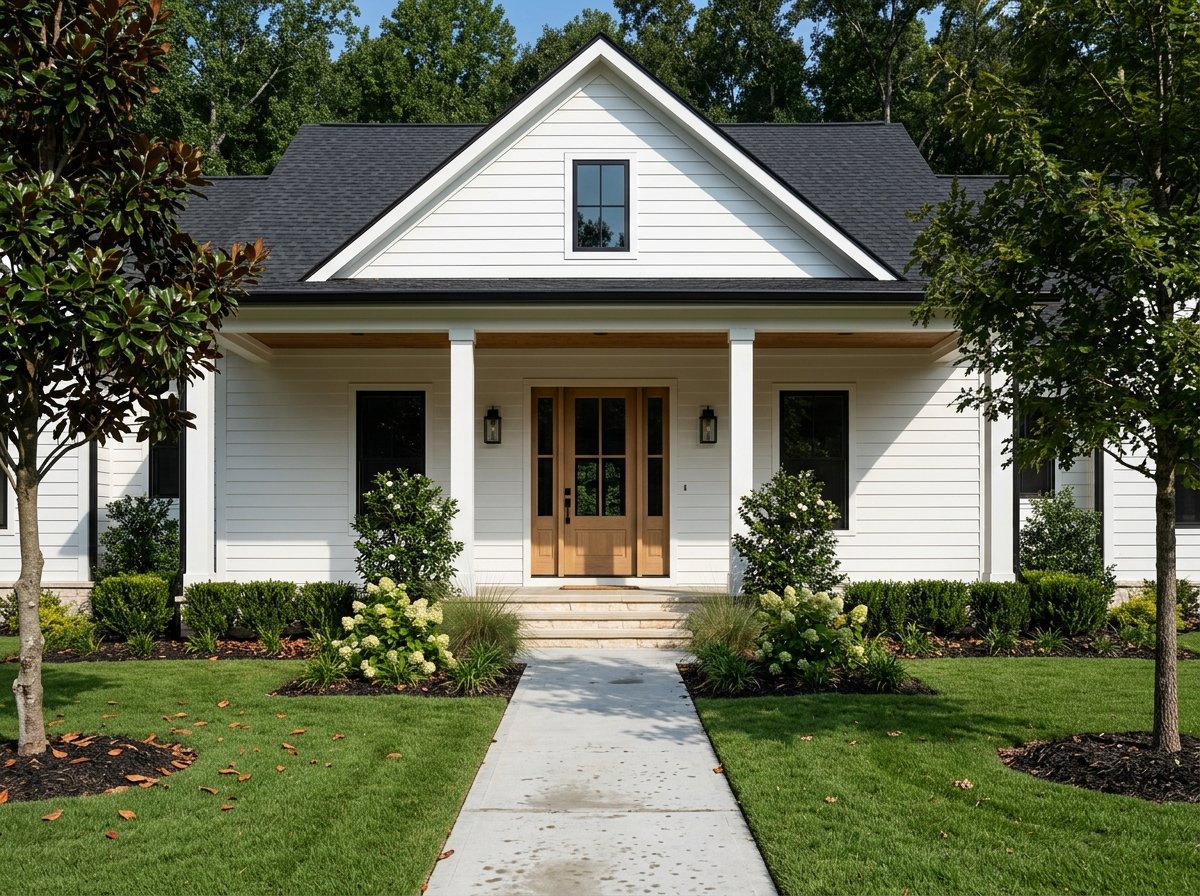
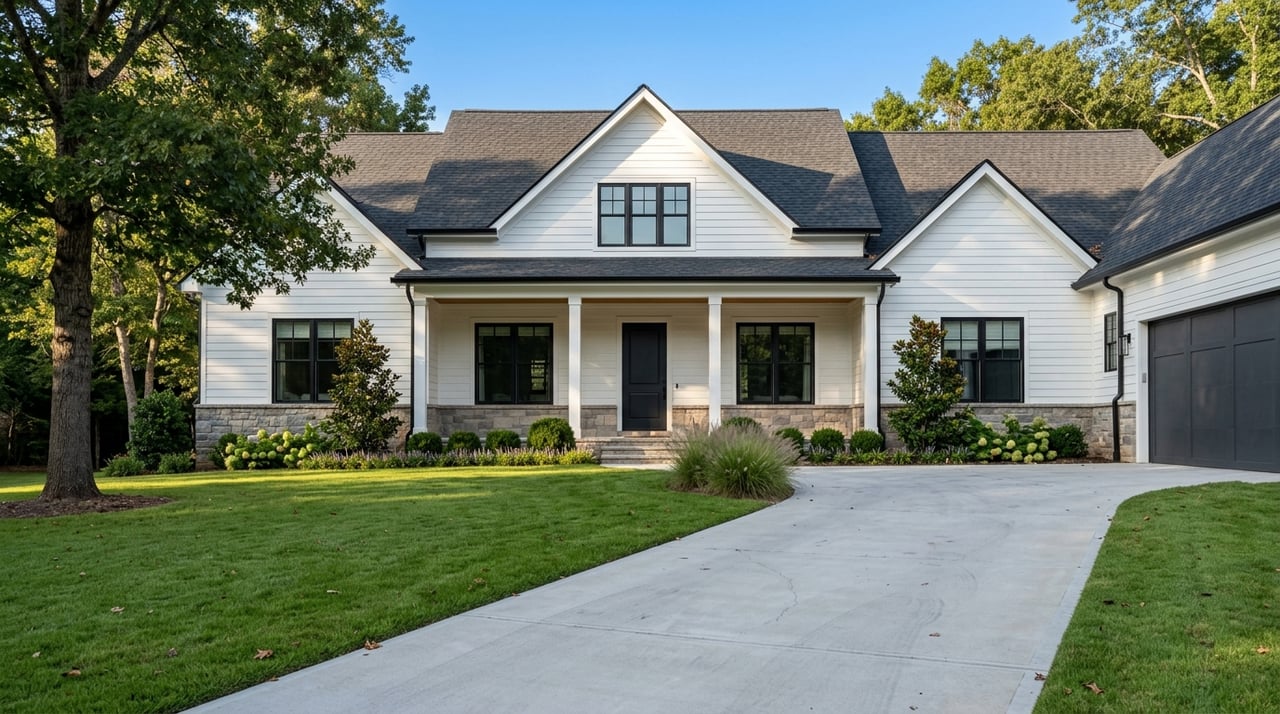
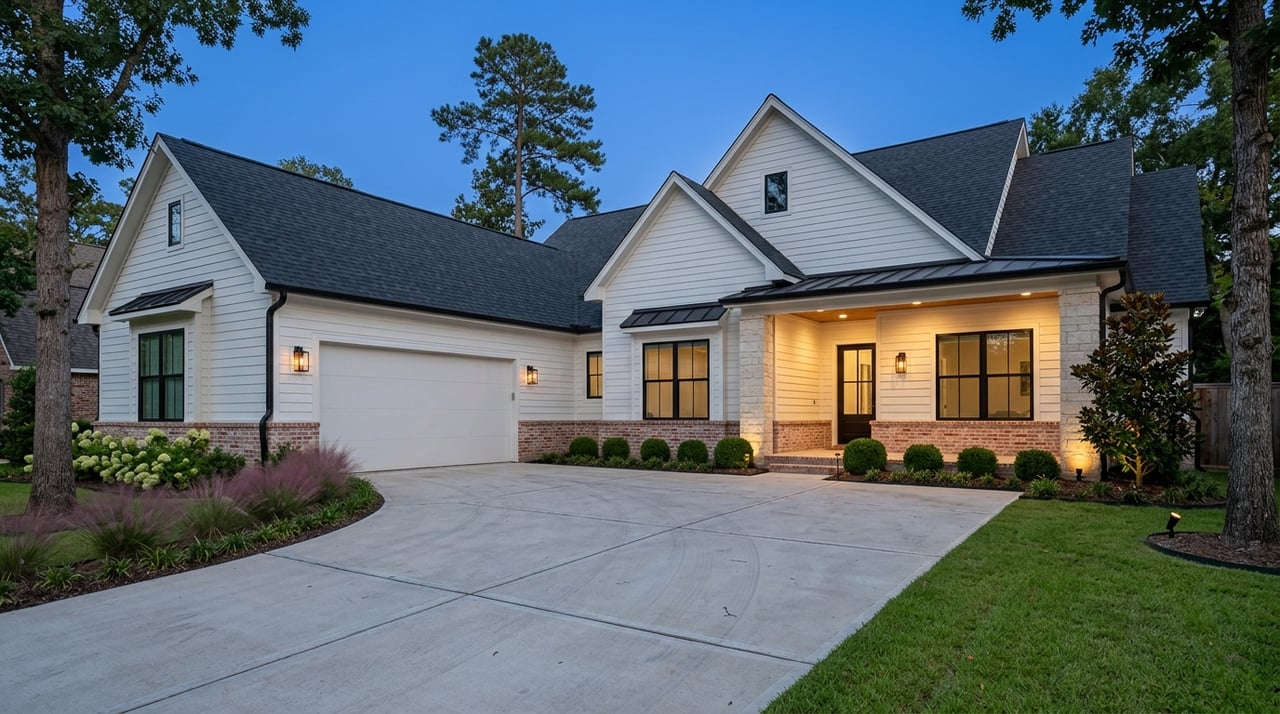
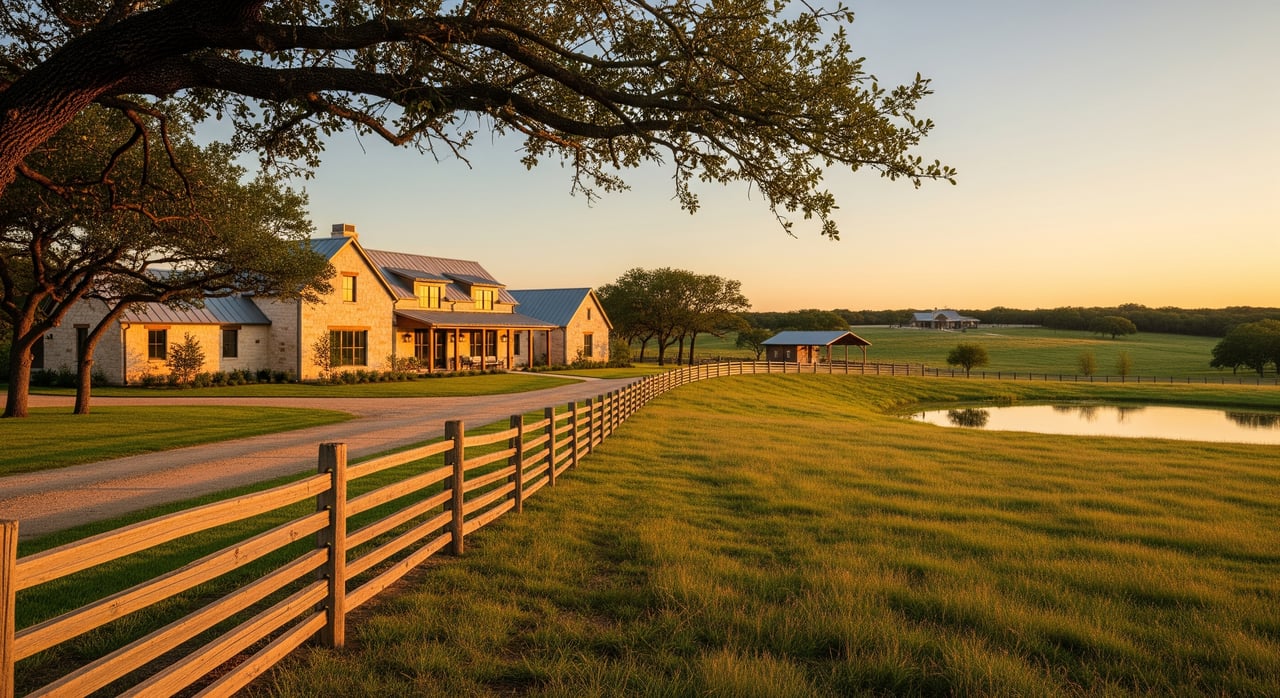
With acreage, buyers often judge the tract from the road before they judge anything else. The frontage, gate, and driveway approach help them decide whether the property feels cared for and easy to understand. If those areas look overgrown or cluttered, buyers may assume the rest of the property will be harder to evaluate too.
NAR's photo-shoot guidance notes that cameras magnify clutter and poor arrangement. It also points out that buyers who like what they see online expect the property in person to match. That is why the visible edges of your acreage are not just background. They are part of the product you are selling.
Focus on the most visible areas
You do not need to clear every inch of the tract. Instead, focus your time and budget on the areas that shape the buyer's understanding of the property.
Key areas to tackle include:
- Frontage along the road
- Gate and entry drive
- Driveway approach to the home site
- Paths to barns, shops, sheds, or ponds
- Parking and turnaround areas
- Outdoor living spaces and open-use areas
Clean up without over-clearing
Acreage buyers usually want land that feels usable, but not stripped of character. Texas A&M AgriLife notes that brush can still play a role in deer habitat, even when brush management improves forage. In other words, the goal is a neat, legible landscape, not a bare one.
That matters in Red Lick, where buyers may value privacy, wildlife, pasture use, or a natural setting. Selective thinning often works better than aggressive clearing because it helps buyers see the layout of the tract while preserving the features that make rural property appealing.
Practical cleanup checklist
Use this list as your starting point before photos or showings:
- Mow or brush-hog visible edges of the property
- Clear trash, dead limbs, scrap piles, and old equipment from sightlines
- Repair broken fence sections and leaning posts
- Fix gate latches and remove obvious trip hazards
- Make access points and parking areas easy to recognize
- Organize barns, sheds, workshops, and tack rooms
- Thin brush selectively if privacy, wildlife, or pasture appeal is part of the property's value
Treat outbuildings like selling features
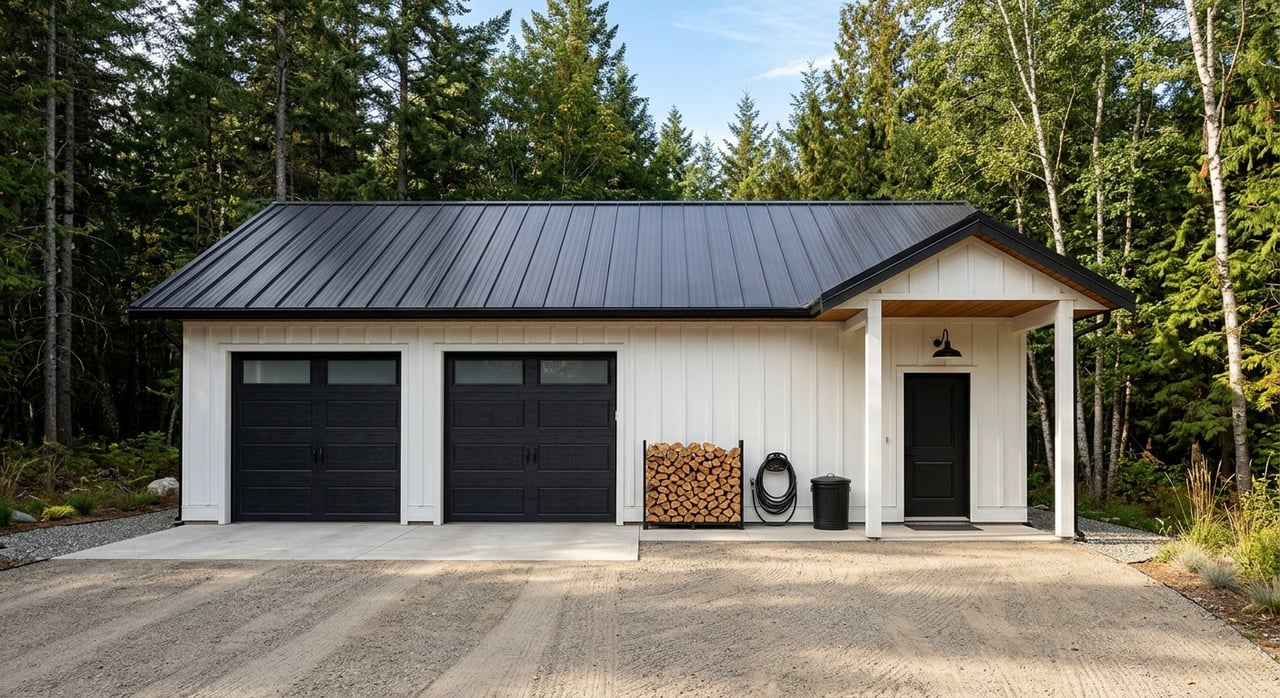
On acreage, buyers often care about more than the house. Barns, sheds, shops, and equipment storage can be major selling points if they look functional and easy to use. If they are packed with overflow storage, buyers may have trouble seeing their purpose.
Try to present each structure as usable space. A workshop should read like a workshop. A barn should feel like a barn. A tack room, equipment shed, or storage building should look organized, accessible, and ready for the next owner.
Make access easy to understand
Rural property can create uncertainty if buyers cannot quickly tell how to enter, park, turn around, or move through the tract. That uncertainty can slow interest and create room for buyers to mentally discount the property. Clear access helps buyers feel more confident.
Before listing, walk the property as if you are seeing it for the first time. Make sure the route from the road to the key features is clean and obvious. If the tract is large or irregularly shaped, that clarity becomes even more important.
Gather your records before you list
Acreage buyers in Bowie County often want answers early. They may ask about legal description, taxes, access, easements, septic, wells, or agricultural appraisal status before they are ready to move forward. Having your documents ready can make your listing feel more credible and easier to evaluate.
For local property records, the Bowie County Clerk and Bowie County Appraisal District are the main starting points for recorded documents, ownership data, legal descriptions, and tax information. Getting ahead of this step can save time once showings begin.
Build a seller document packet
Try to assemble:
- Recent survey
- Deed and legal description
- Easements and rights-of-way
- Shared-drive agreements or private-road maintenance notes
- Septic permit and service or maintenance records
- Private well report and a recent water test, if applicable
- Recent tax bill
- Agricultural or wildlife-management appraisal paperwork, if applicable
- List of fixtures, equipment, or farm items that will convey with the sale
Check septic, well, and tax details
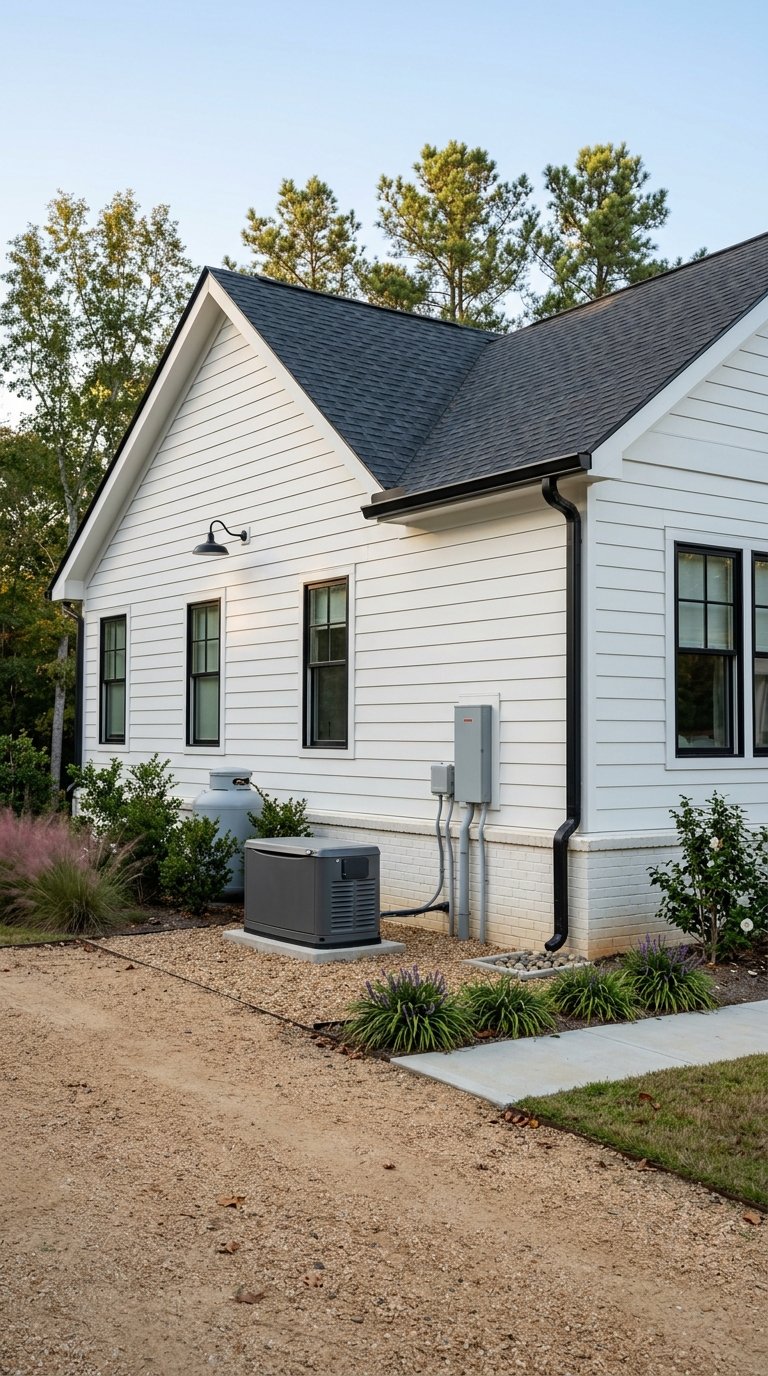
Rural systems matter because buyers want to know how the property functions. TCEQ says on-site sewage facilities require permitting and maintenance, and conventional septic systems are recommended to be pumped every three to five years. If your acreage has a septic system, gathering records now can help reduce delays later.
If the property has a private well, TWDB says owners should be able to locate a well report, and the state does not regulate the water quality of private wells. A recent water test can help a buyer better understand the system. TWDB also notes that private well owners generally do not need to register a well unless the property falls within a groundwater conservation district, so that local rule should be confirmed before marketing.
Tax status also deserves attention. The Texas Comptroller says land under agricultural appraisal can be taxed on productivity value rather than market value, and a change to non-agricultural use can trigger rollback tax and interest. If your Red Lick acreage has agricultural or wildlife-management appraisal, have that paperwork ready and understand how it may affect a buyer's questions.
Be ready for Texas disclosure requirements
If your acreage includes a previously occupied single-family residence, Texas disclosure rules may apply. TREC's Seller's Disclosure Notice applies to contracts entered into on or after September 1, 2023. TREC has also adopted an updated version effective May 28, 2026 that adds questions about insurance, private roads, aboveground storage tanks, and conservation easements.
For land with groundwater or surface water rights, TREC's dedicated water-rights disclosure form is scheduled to become effective July 1, 2026. If your property has features like private-road arrangements, storage tanks, or water-related rights, preparing early can help you avoid scrambling once an offer comes in.
Plan photos and video around buyer questions
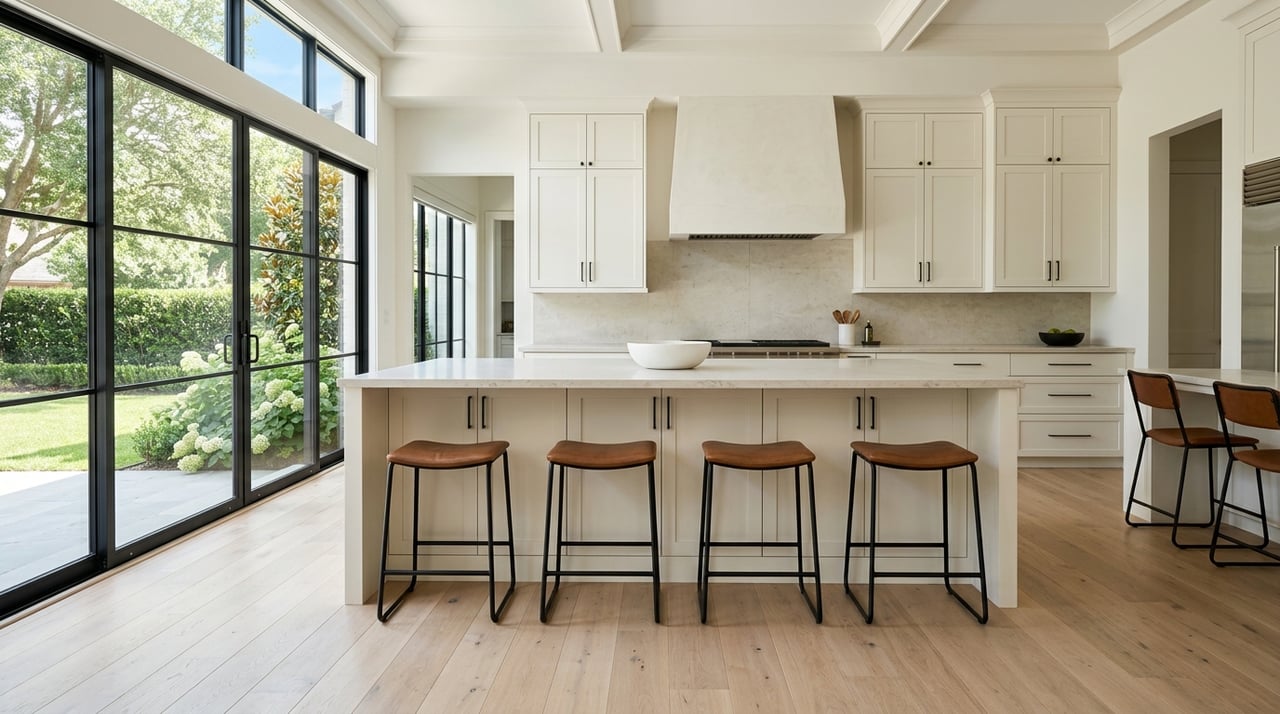
Strong acreage marketing should answer questions visually. Buyers want to understand where they would enter, park, relax, store equipment, and enjoy the land. Good photos, video, and virtual tours reduce uncertainty and help serious buyers decide whether the property fits their goals.
This matters because online media strongly influences search behavior. NAR's 2025 data show that photos, virtual tours, and videos are all valuable to buyers, and staging research found that 83% of buyers' agents said staging made a property easier to visualize, 29% saw staged homes receive 1% to 10% higher offers, and 49% saw faster sales. On acreage, thoughtful preparation supports that same goal by helping buyers picture how the property works.
What your marketing should show
Your photo and video plan should capture the tract clearly and honestly. For Red Lick acreage, that often includes:
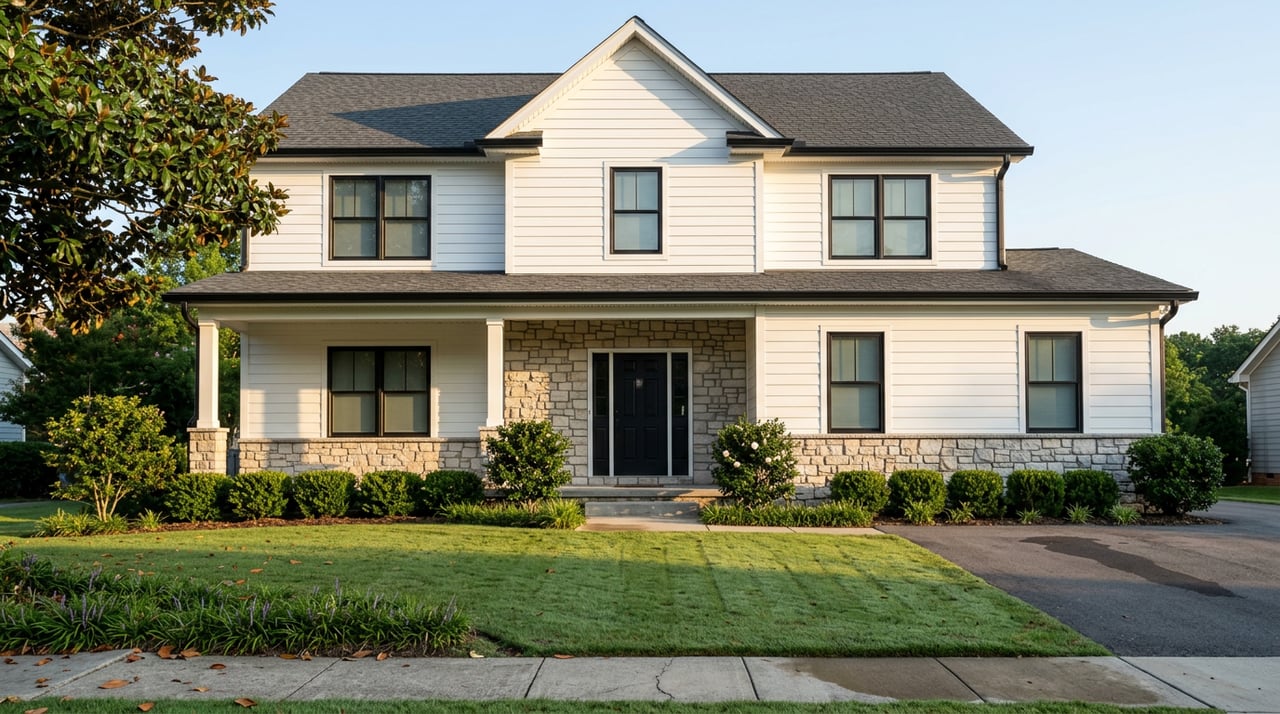
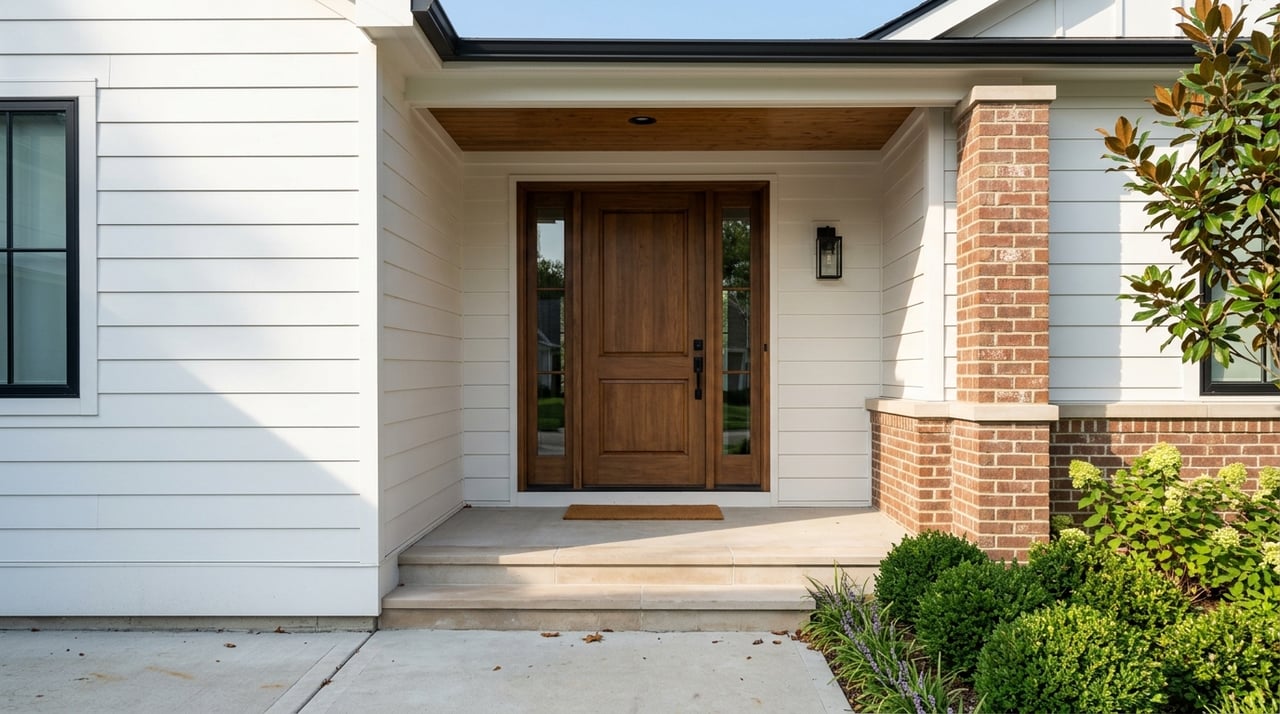
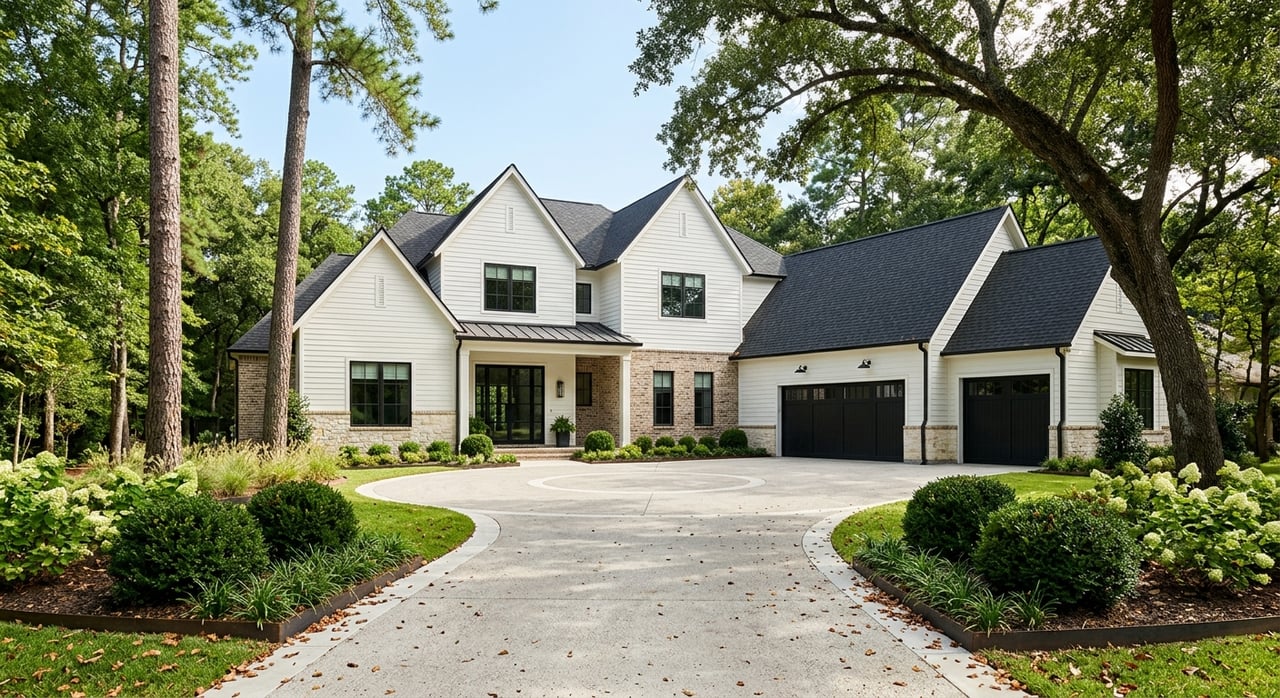
- Front approach and gate
- Aerial views showing tract shape and access
- Fence lines and corner areas
- Drive loops and turnaround areas
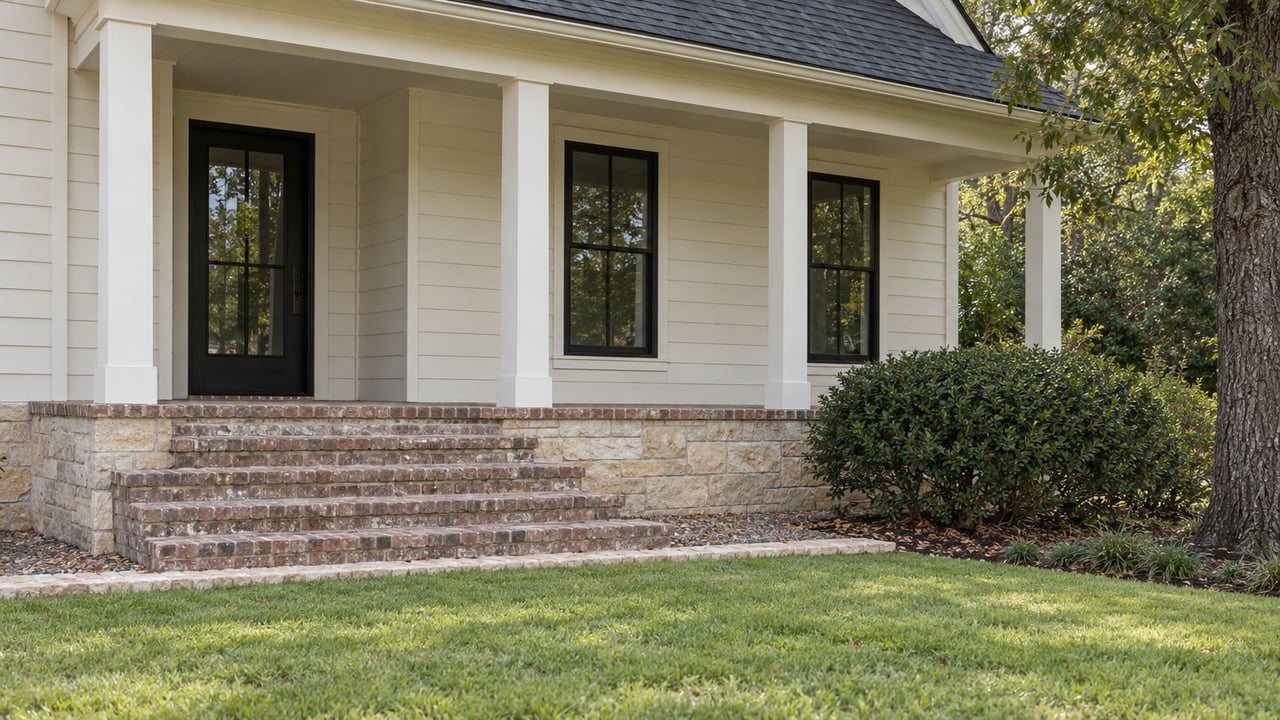
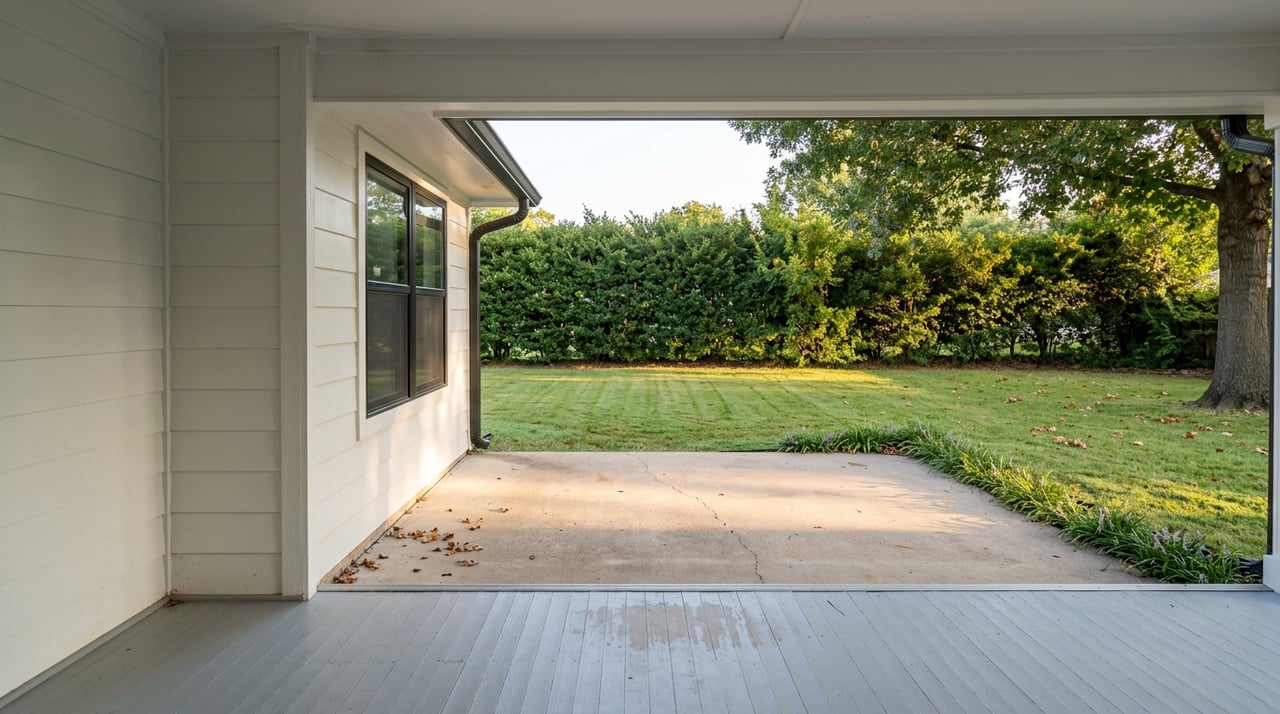
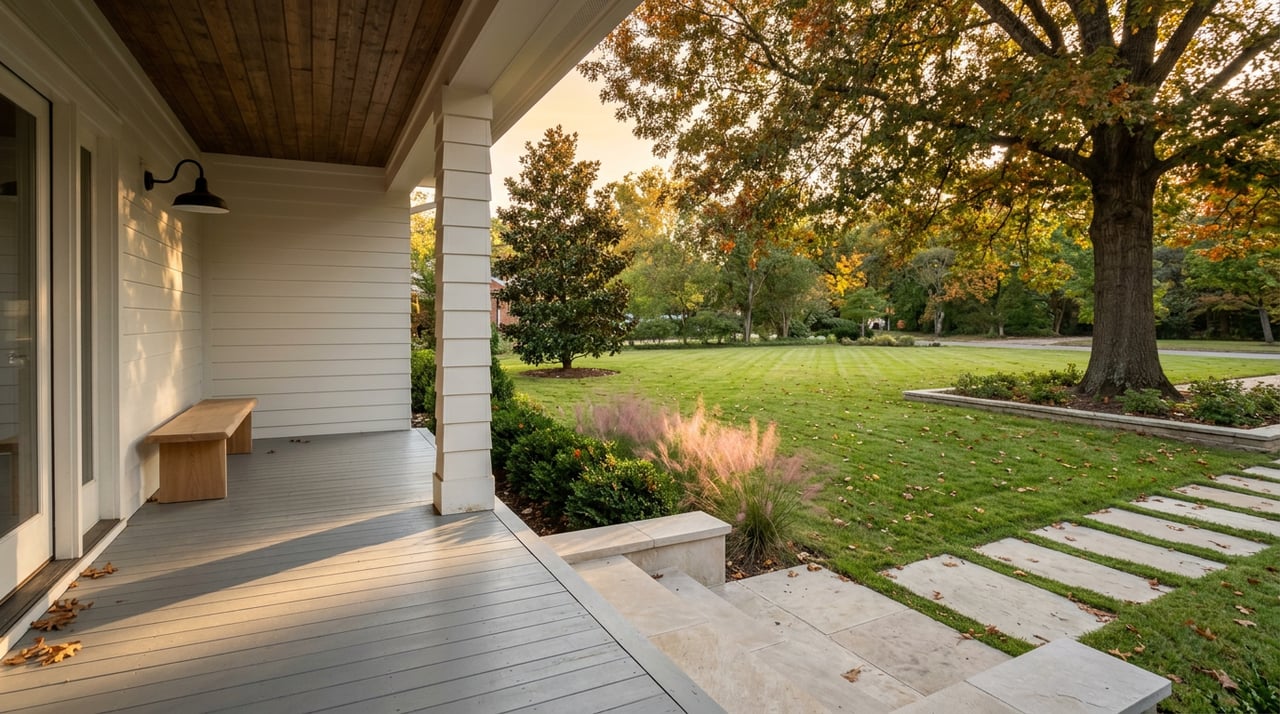
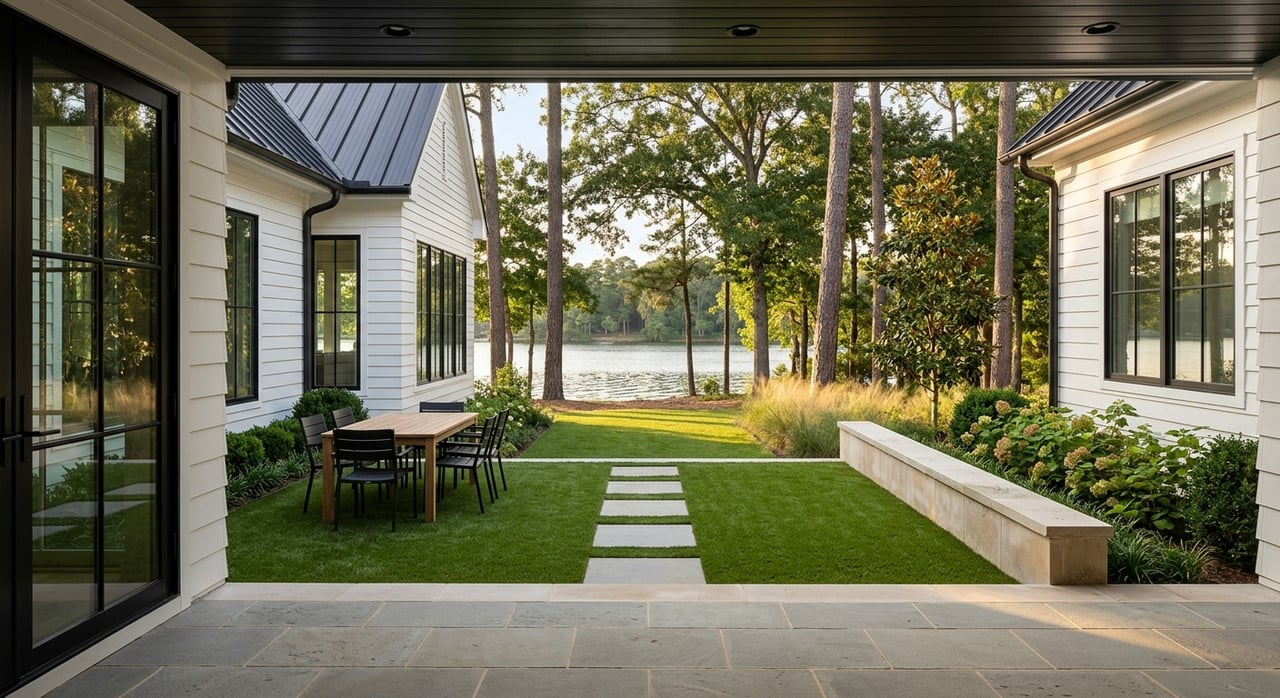
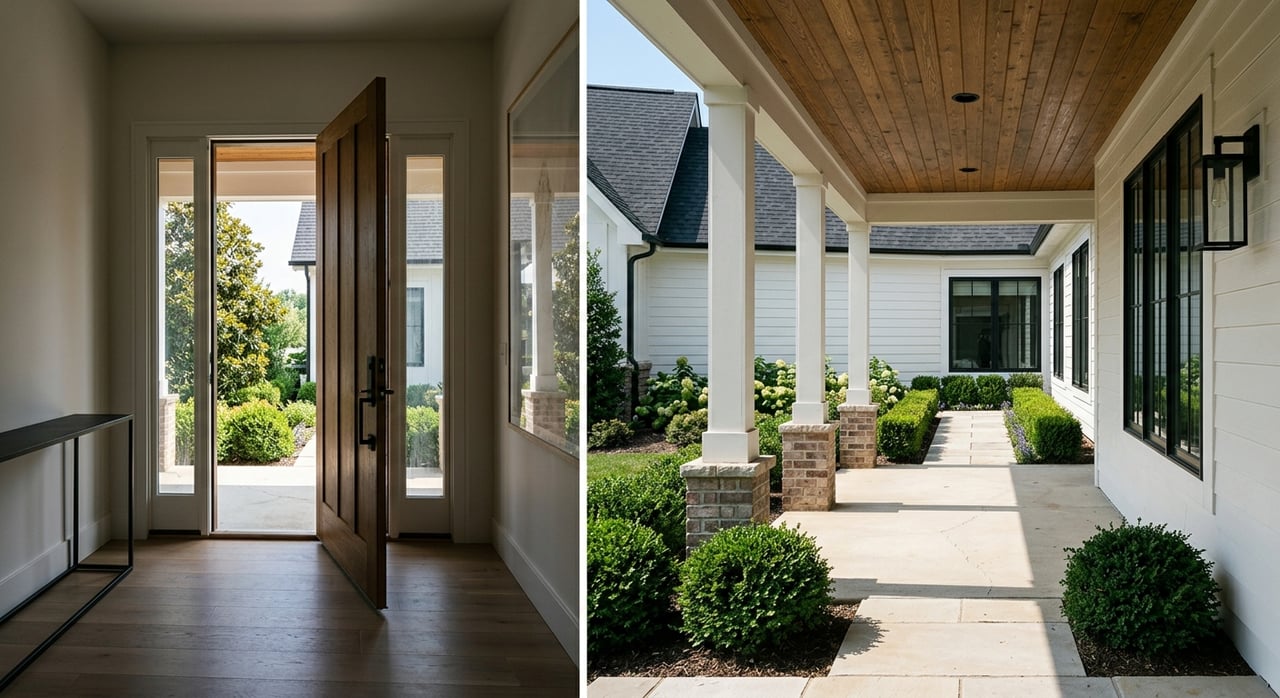
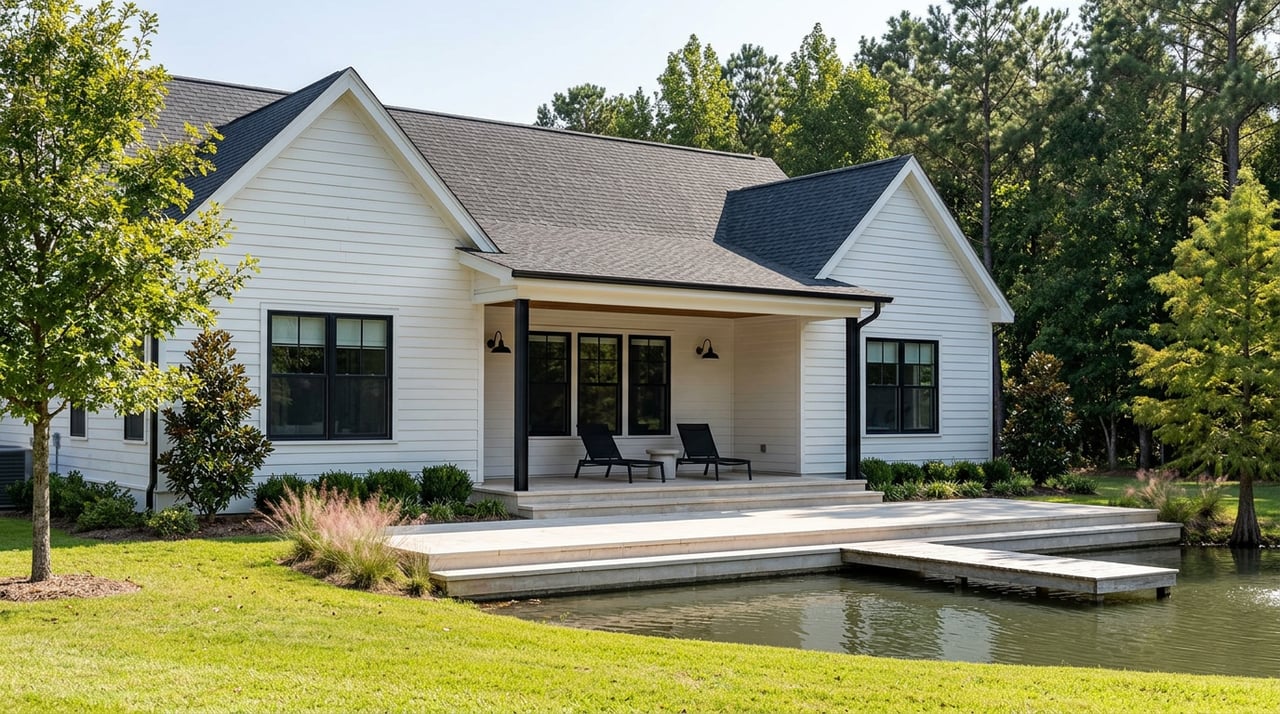
- Porches, decks, patios, or fire pits
- Barns, sheds, workshops, and equipment storage
- Ponds, creek frontage, trails, tree lines, or wildlife areas
- Potential build sites or open-use areas
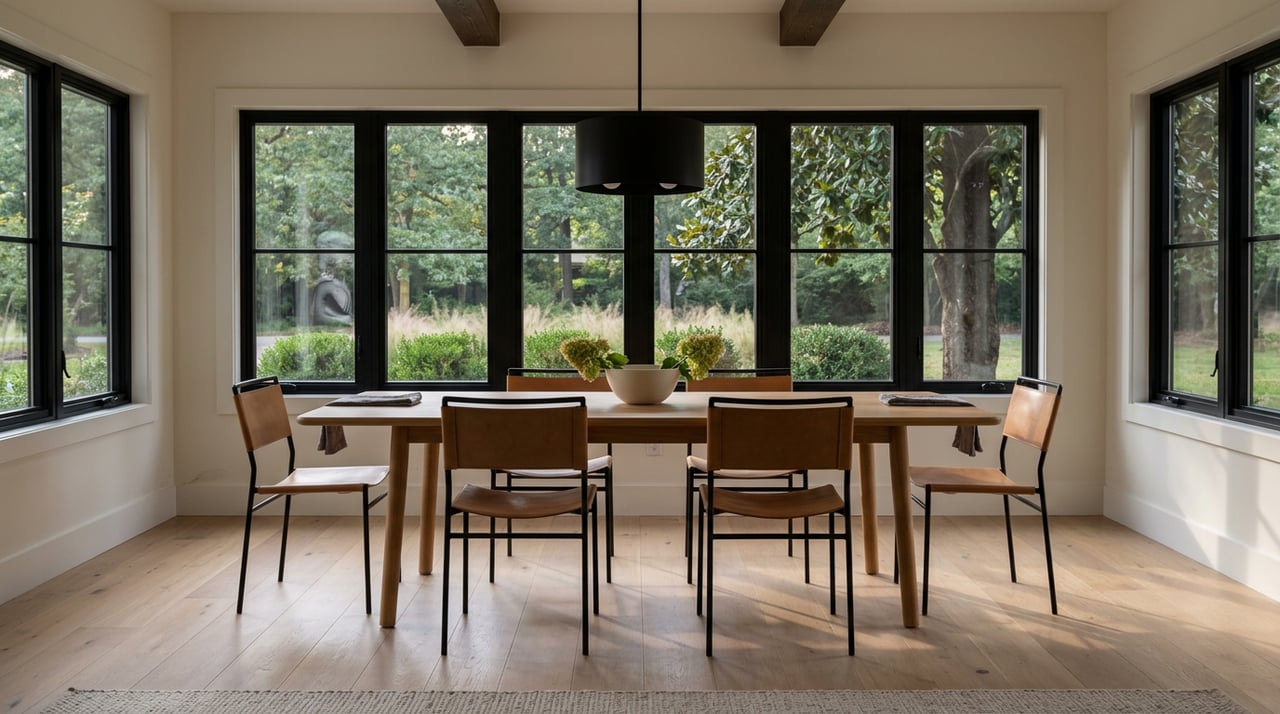
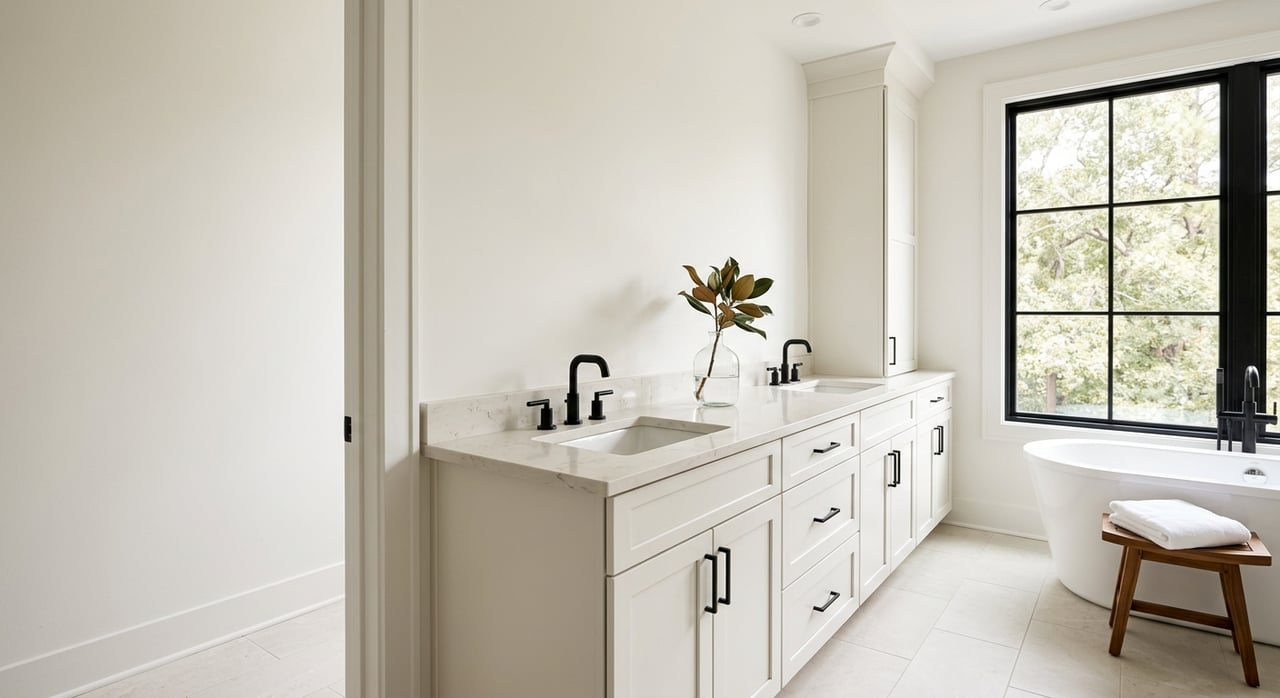
- Interior spaces that help connect the home to the land
Keep presentation honest
Good marketing should make the property easier to understand, not harder. Avoid edits or angles that hide drainage issues, slopes, or nearby structures. Long shots, close-ups, and simple map overlays can help buyers grasp scale and layout without creating false expectations.
Why thoughtful prep can support price
The point of acreage prep is not to make rural property look artificial. It is to make value easier to see. When buyers can quickly understand the tract, the improvements, and the supporting records, they are less likely to hesitate over avoidable unknowns.
That can matter for both price and timing. NAR's staging research suggests better presentation can contribute to stronger offers and faster sales. For acreage in Red Lick, thoughtful prep helps attract a cleaner buyer pool and may reduce the discounting that often happens when a property feels confusing or unfinished.
Work with a strategy, not guesswork
Getting Red Lick acreage ready for the market takes more than mowing and a few photos. You need a clear plan for cleanup, records, disclosures, and marketing so buyers can understand the property quickly and confidently. With the right strategy, you can present the land in a way that feels polished, accurate, and compelling.
If you are thinking about selling acreage in Red Lick or anywhere in Bowie County, Teresa Liepman can help you build a smart, high-impact plan that highlights your property's best features from day one.
FAQs
What should I clean up first on Red Lick acreage before listing?
- Start with the road frontage, gate, driveway approach, visible fence lines, and key paths to major features like the home, barn, shop, or pond.
What records should I gather for a Bowie County acreage sale?
- Gather your survey, deed, legal description, tax bill, easements, rights-of-way, septic records, well information, and any agricultural or wildlife-management appraisal paperwork.
Does a Red Lick property with a septic system need records?
- Yes. TCEQ says on-site sewage facilities require permitting and maintenance, so septic permits and service records can help buyers better understand the property.
Should I clear all the brush on acreage in Red Lick?
- No. Selective thinning is often better because it improves visibility while preserving privacy, habitat, and the natural character of the land.
Why are photos and drone shots so important for acreage listings?
- Many buyers begin online, and visuals help them understand access, layout, boundaries, outdoor features, and how the land and structures work together before a showing.