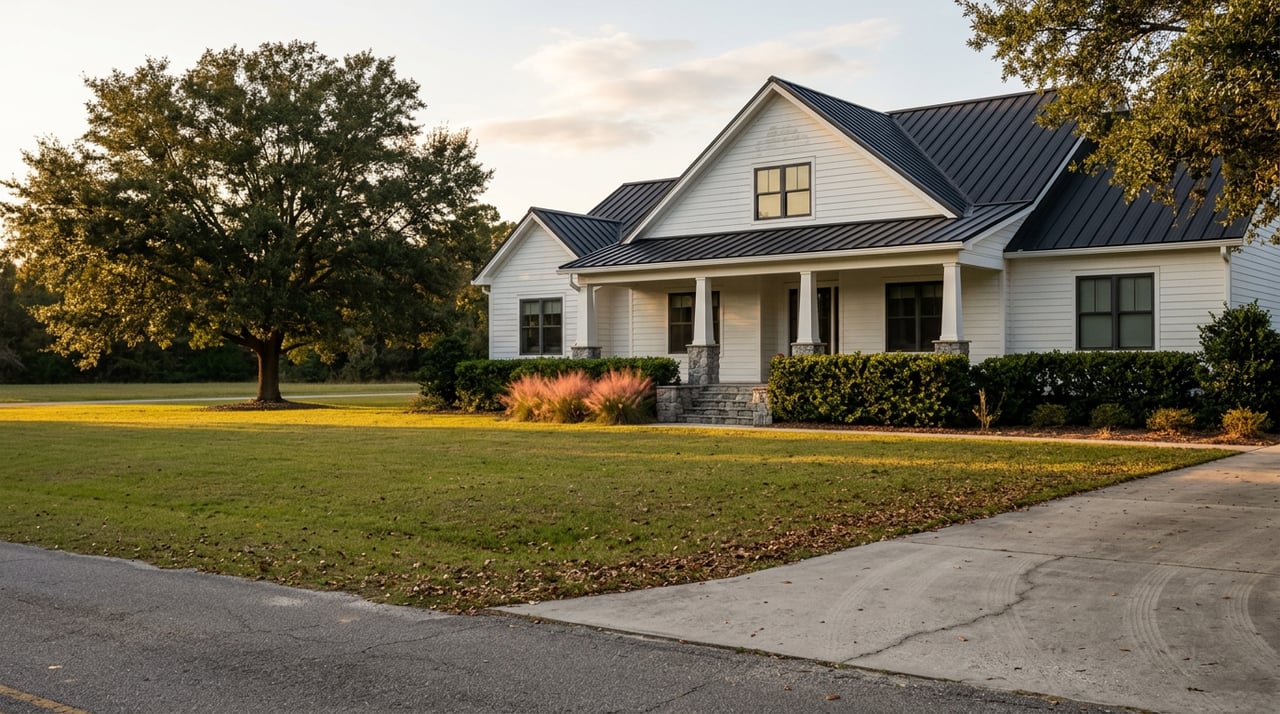
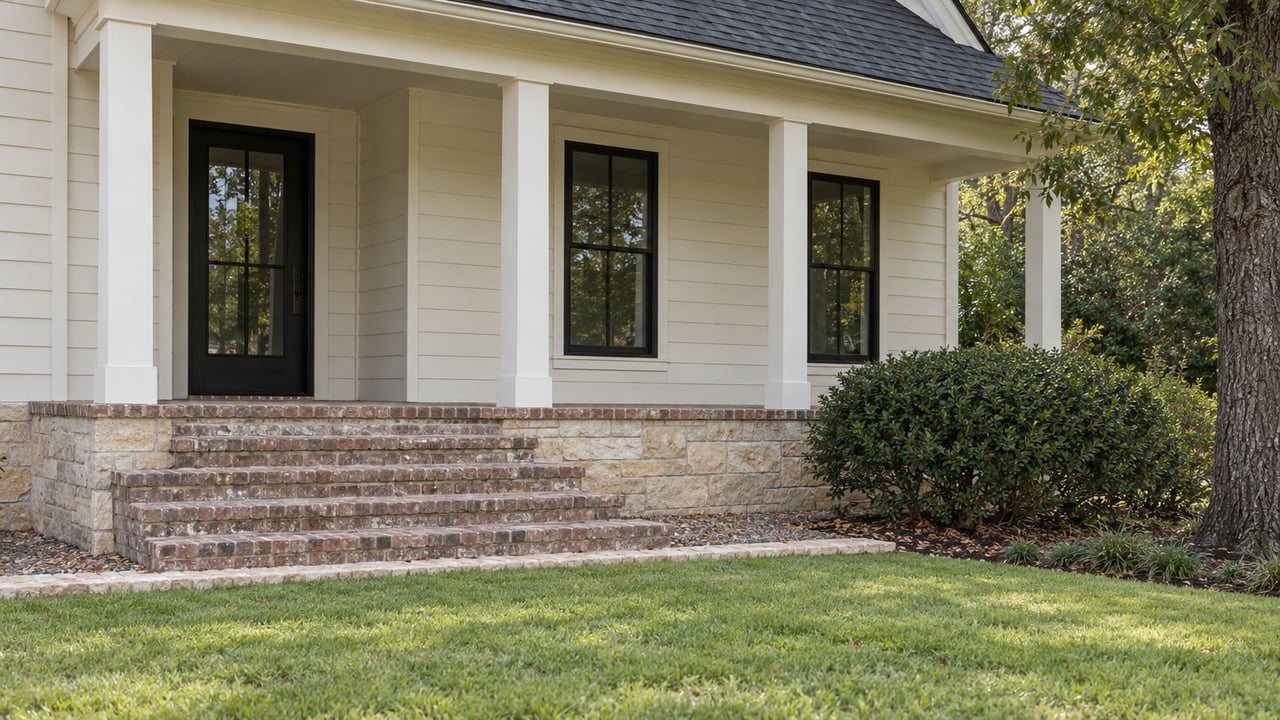
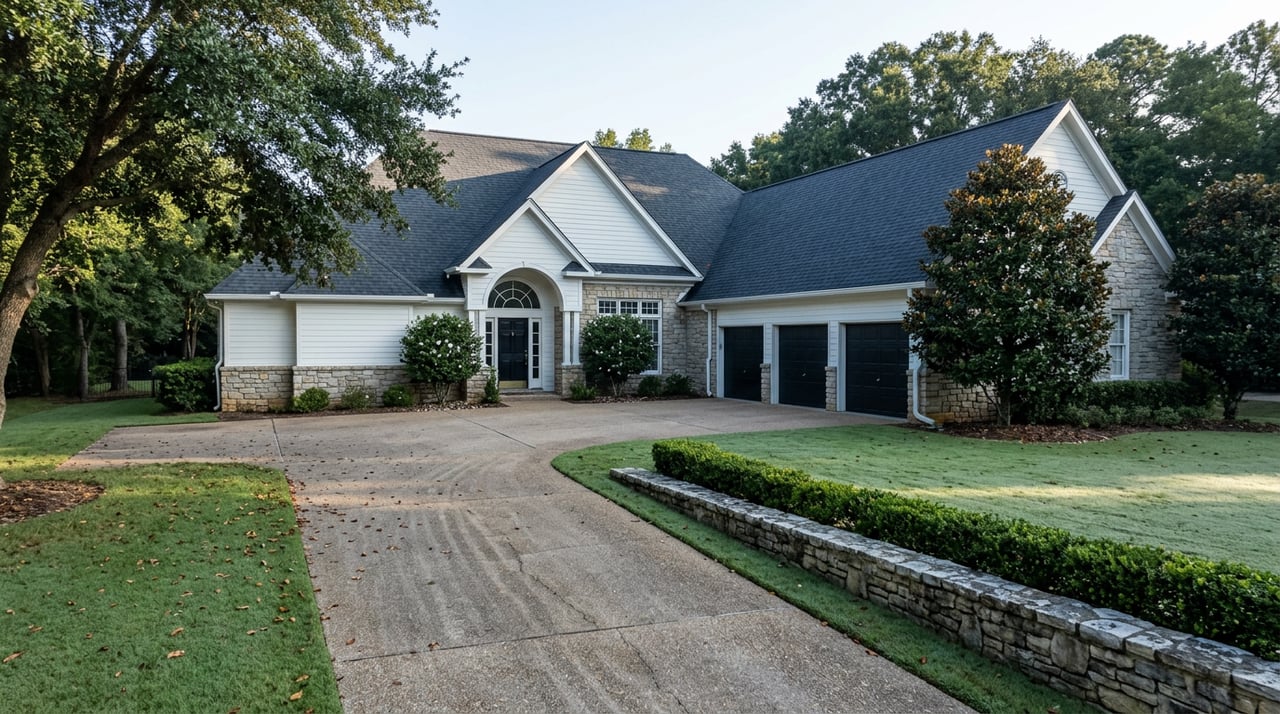
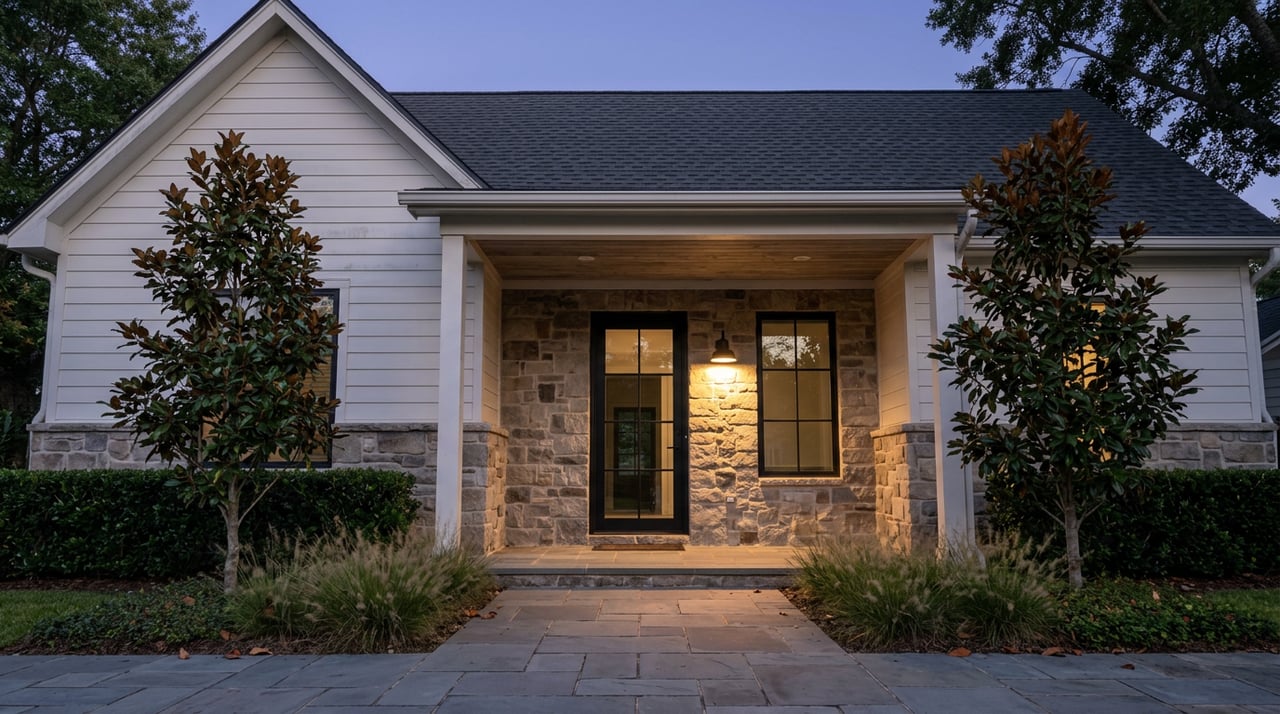
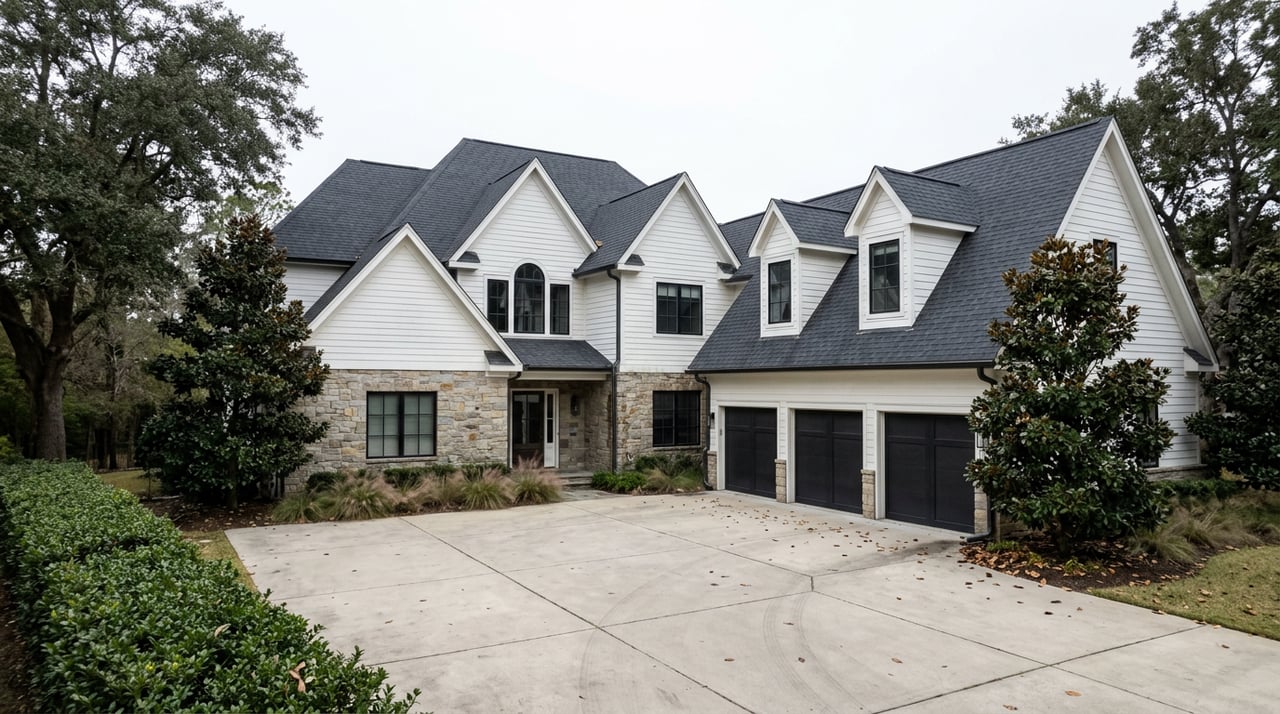
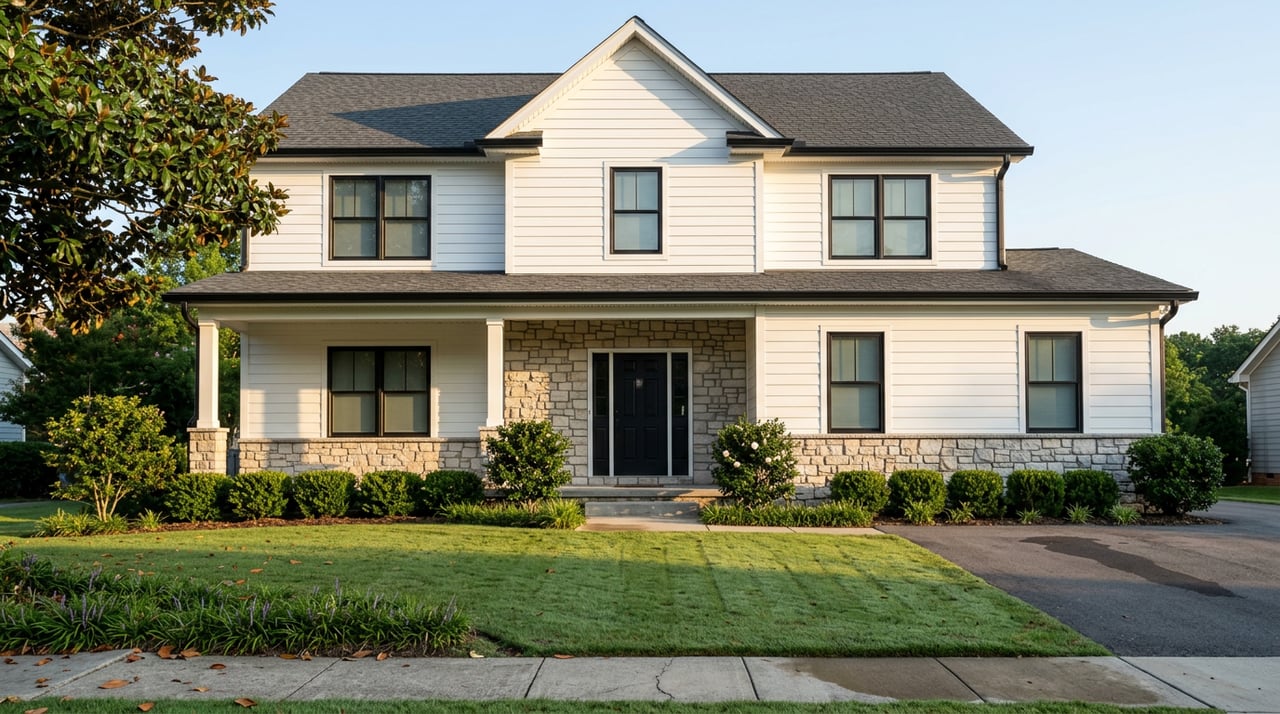
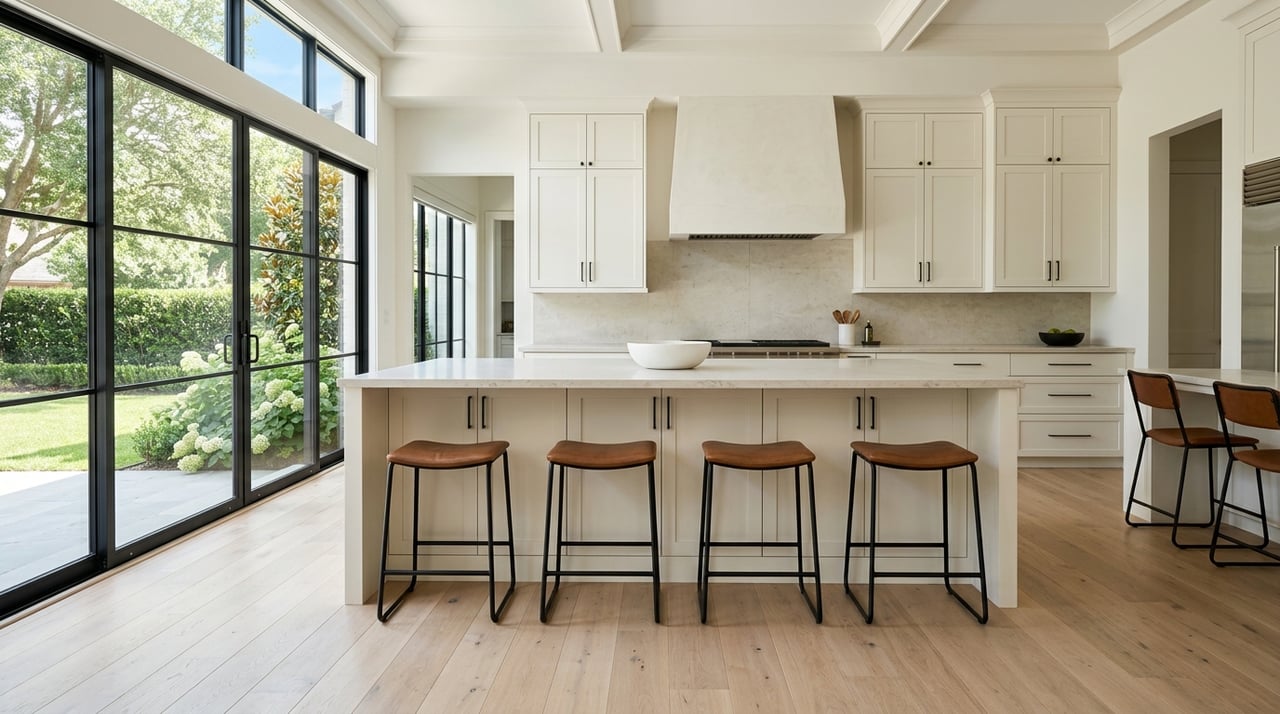
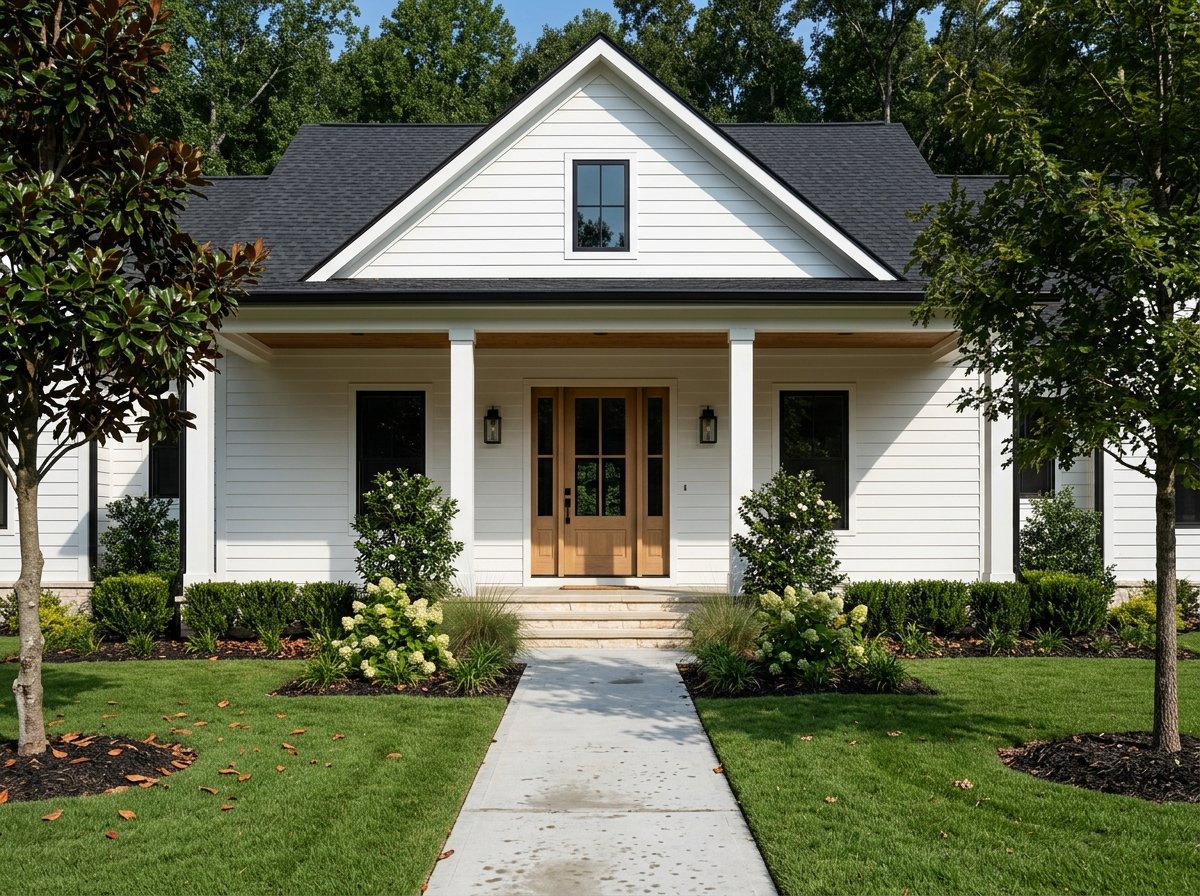
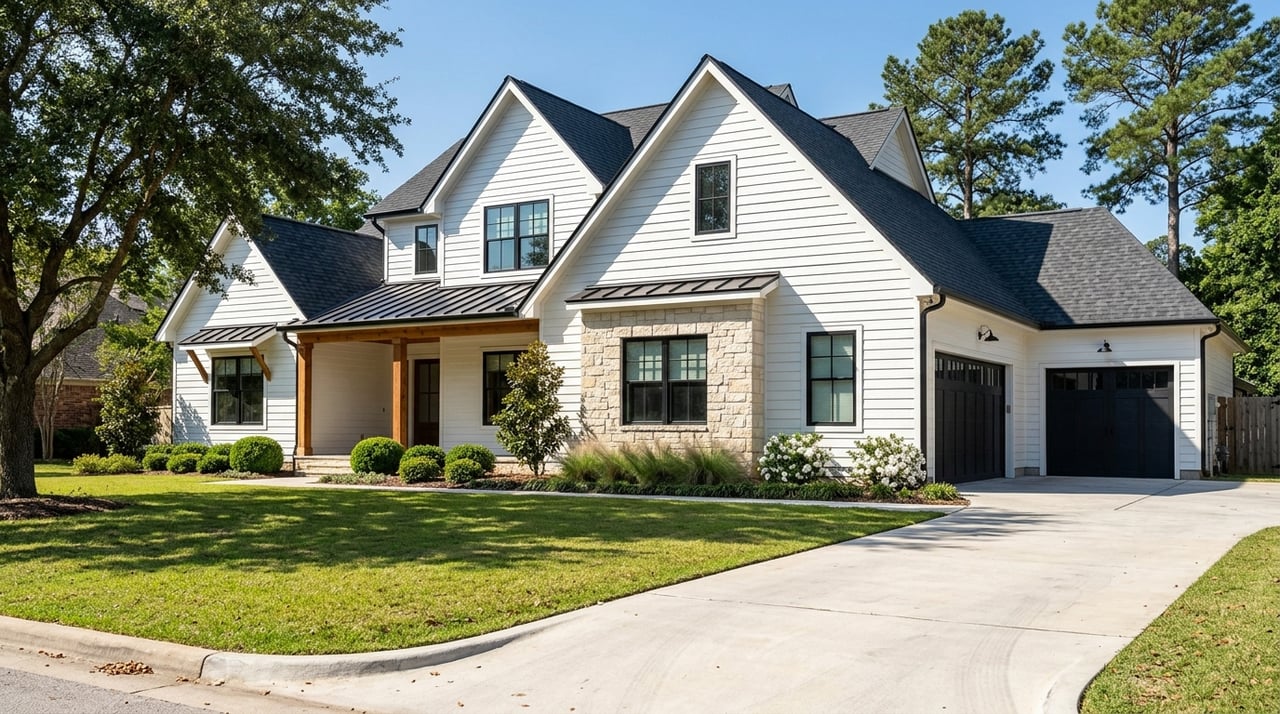
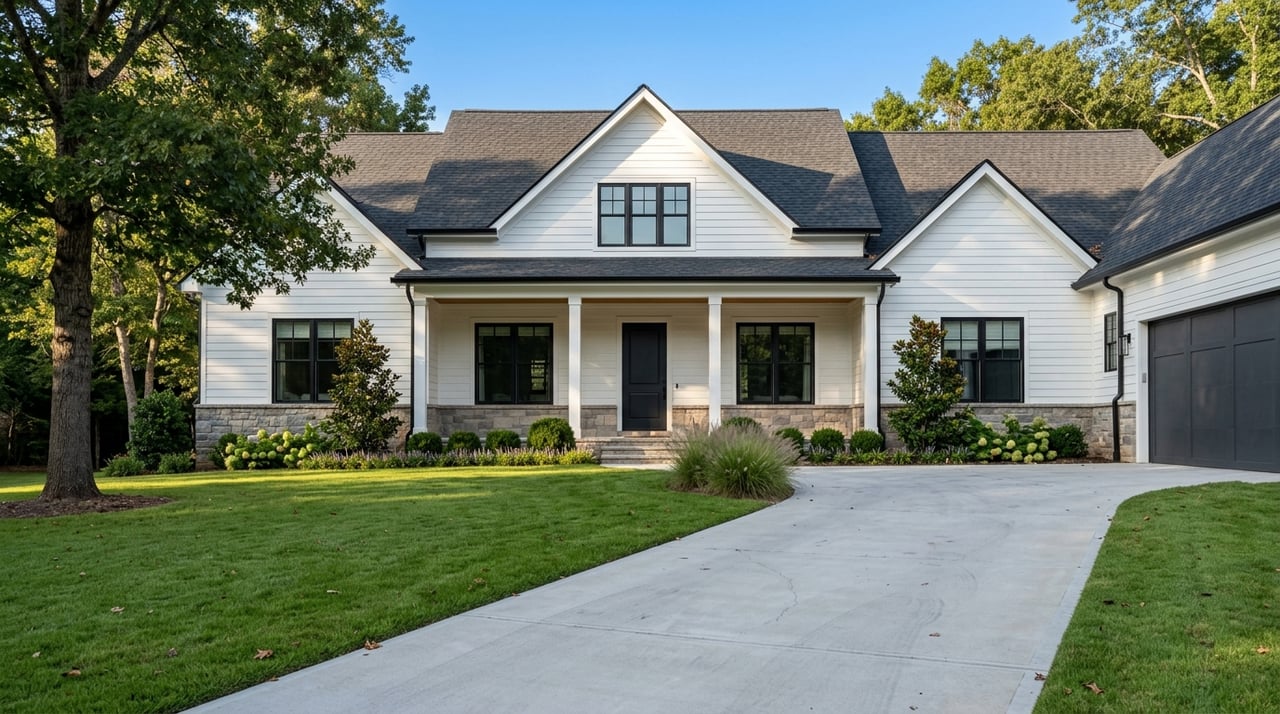
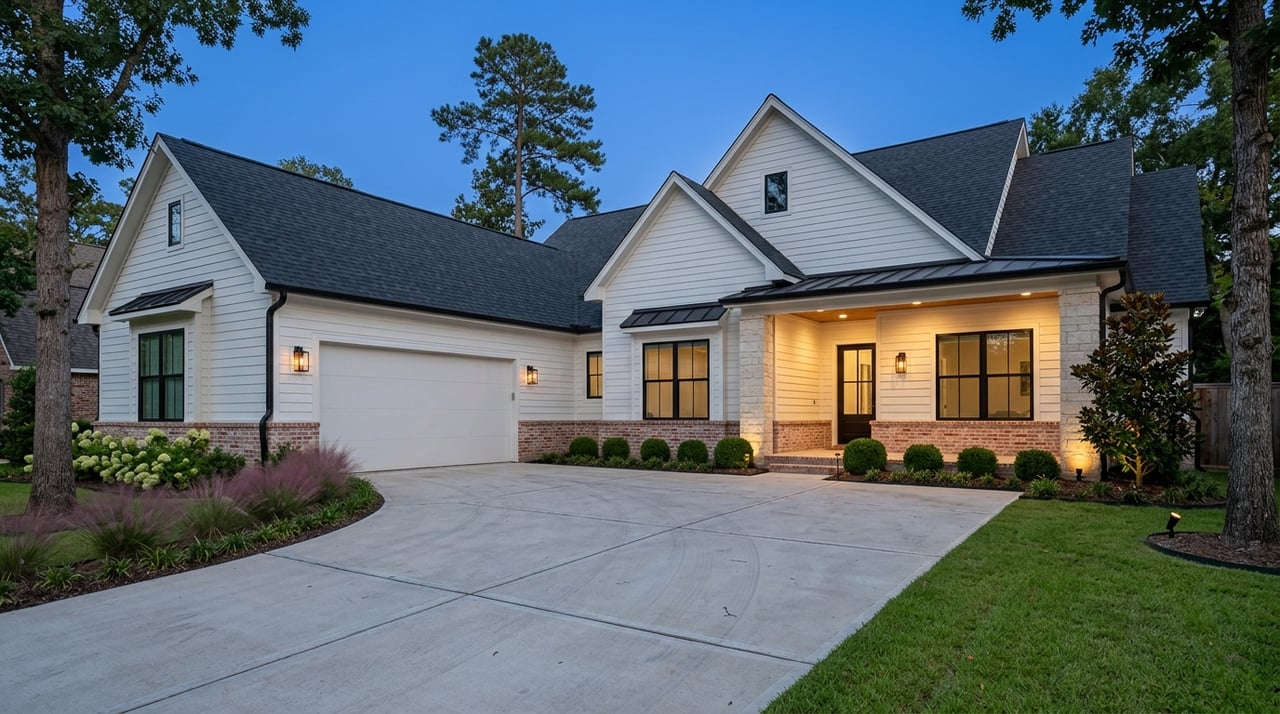
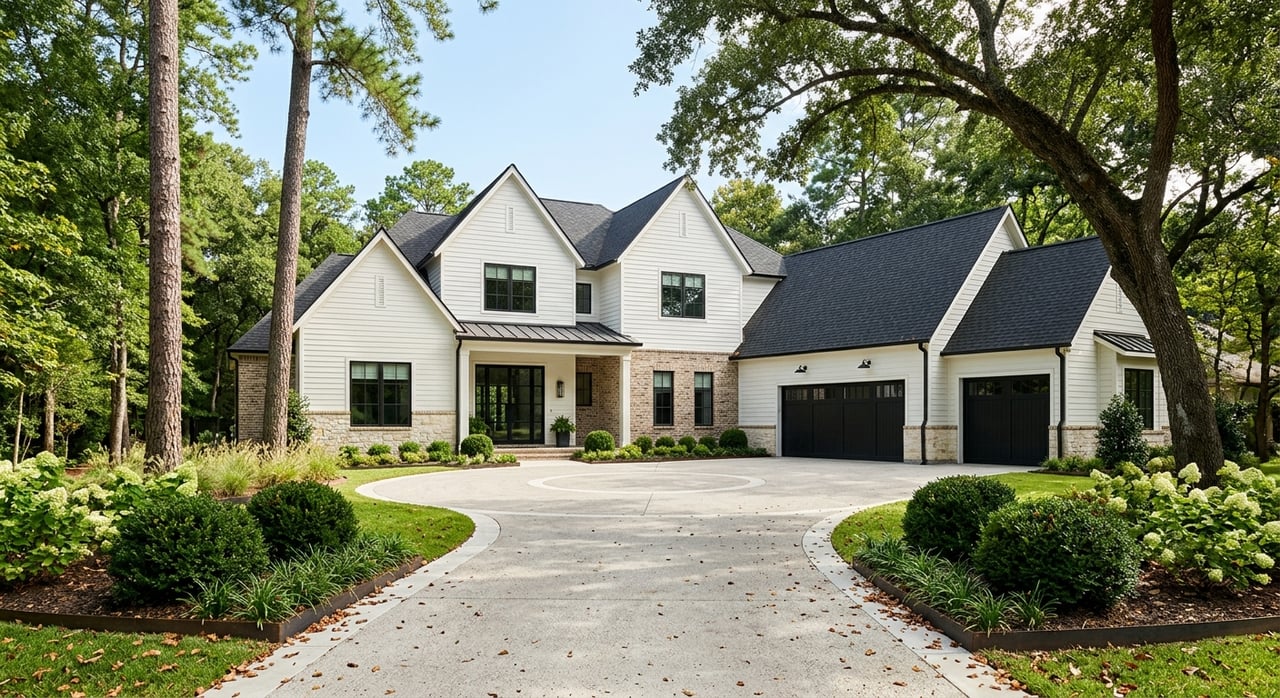
A buyer sat at a kitchen table not long ago with two listing sheets side by side. One home sat two blocks north of State Line Avenue, on the Texas side. The other sat two blocks south, in Arkansas. The homes were close in price, close in square footage, close in age. The buyer's eyes went straight to the tax line, and the Arkansas sheet stopped them cold: total millage, 39.9. The Texas sheet, by comparison, showed a city rate of $0.65 per $100 of valuation. Thirty-nine point nine looked enormous next to sixty-five cents. The buyer assumed the Arkansas home would cost dramatically more to hold every year.
That assumption is the one worth unpacking, because it is backward more often than people expect.
The Number on the Sheet Isn't the Number on the Bill
Millage and a dollar-per-hundred rate are not measuring the same thing, and that gap is where the confusion starts. A mill is one dollar of tax for every $1,000 of assessed value. Convert 39.9 mills into a percentage and it reads as 3.99 percent, which does sound alarming sitting next to a Texas rate quoted in cents.
Here is the part that changes the story. Arkansas law does not tax a home's full market value. State code requires county assessors to set the taxable assessed value at 20 percent of a property's appraised market value for residential property, a rule Arkansas assessor offices describe in their own FAQs when property changes hands. So that 3.99 percent millage rate is not applied to what the home is worth. It's applied to one-fifth of what the home is worth.
Run the math on a $39.90 mill rate against a 20 percent assessment base and the effective load on the home's actual market value drops to roughly 0.8 percent. That is the number that should have been on the buyer's mind at the kitchen table, not the 39.9.
A 2026 legislative analysis prepared for the Arkansas General Assembly confirms the underlying figure directly, noting that:
"the current total millage rate for the municipal area of Texarkana, Arkansas is thirty-nine and nine-tenths (39.9)"
That document was analyzing a proposal for a new state-level property tax on border cities, not describing what a homeowner actually pays after the assessment ratio does its work. The 39.9 is real. It is also only half the story.
What Texarkana's Own Numbers Show
The theoretical math lines up with what shows up on actual tax bills. A countywide analysis of Miller County property records put Texarkana, Arkansas at a median effective property tax rate of 0.88 percent, a hair above the Arkansas state median of 0.81 percent and well under the national median of 1.02 percent, according to tax data compiled by Ownwell. The same analysis found a median annual tax bill of $687, against a national median closer to $2,400.
That 0.88 percent lines up almost exactly with the 0.8 percent our millage-times-assessment-ratio math produced. The headline number on the listing sheet and the number that actually lands on a homeowner's bill are simply not the same measurement, and treating them as interchangeable is the mistake that sends buyers away from homes they could genuinely afford to hold.
Running It Against an Actual Address
Numbers get more useful attached to real prices. As of May 31, 2026, Zillow-reported typical home values put the Arkansas side of Texarkana at $169,100 and the Texas side at $202,958.
Apply the 0.88 percent Miller County effective rate to that $169,100 Arkansas home and the annual property tax lands around $1,488. Apply the $0.65-per-$100 city rate alone to the $202,958 Texas home and the city's slice comes to roughly $1,319.
Notice the word alone. The Texas figure is city tax only. County, school district, and any special district levies stack on top of that on the full, unassessed market value, since Texas has no statutory ratio that shrinks the taxable base the way Arkansas does. The Arkansas number, by contrast, already reflects the full weight of every taxing entity, because all of them are applying their rates to that same 20-percent-of-value base. A fair side-by-side comparison requires the full appraisal card from each county appraisal district, not the single line item that happens to appear on a listing sheet.
Two Levers That Lower the Arkansas Number Further
Two provisions push the real Arkansas bill even lower than the raw math suggests, and neither shows up on a listing sheet at all.
The state's homestead property tax credit currently knocks up to $500 off a qualifying primary residence's tax bill each year. Beginning with 2026 tax bills, the Arkansas General Assembly raised that ceiling to $600. It is not automatic. A homeowner has to file for it through the county assessor's office, and on a bill already in the $687 median range, a $600 credit can wipe out most or all of what's owed.
Homeowners 65 or older, or those with a qualifying disability, get a second layer of relief: the assessed value on their homestead can be frozen at the level it stood at when they turned 65 or became disabled, shielding them from future reappraisal increases even as the tax rate itself may rise.
A Closing Window Worth Knowing About
There's a date attached to all of this that matters right now. Arkansas law sets the deadline to appeal an assessed value to the county Board of Equalization at the third Monday of August each year. In 2026, that date is August 17, per the Arkansas Assessment Coordination Division's own filing calendar. Anyone who closed on an Arkansas-side home this year and believes the new appraisal came in high has a narrow, specific window to say so, and that window is closing within days of this post going live.
One more wrinkle worth knowing before that conversation happens: under Arkansas Code, when a home changes hands, the assessor resets the taxable value at the next assessment date following the sale, and the new owner isn't entitled to the usual cap on assessment increases until the second assessment date after the transfer. That means a freshly purchased home can jump straight to a full new appraisal without the gradual growth limit that protects longer-tenured owners, which is exactly why a recent purchase price and a new appraisal notice sometimes don't seem to match at first glance.
So Which Side Actually Costs Less?
There's no single answer, because property tax is only one line in the ledger. Texas has no state income tax at all. Arkansas's top income tax rate runs around 4.4 percent, according to a 2026 state-by-state cost comparison. For a high earner, that gap can outweigh anything happening on the property tax side.
But the property tax comparison specifically, the one that scares buyers off the Arkansas side before they've even toured the home, deserves a second look every time. A 39.9 millage rate reads like a warning sign. Run it through the 20 percent assessment ratio and it reads like one of the more forgiving property tax environments in the region.
The only way to know for certain on any specific address is to pull the actual appraisal card, confirm the homestead status, and do the math rather than compare headline rates. That's a five-minute conversation with someone who works both sides of the line every week, not a guess made from a listing sheet at a kitchen table.
Frequently Asked Questions
Does the 20 percent assessment ratio mean my assessed value shows up as exactly one-fifth of what I paid? Not automatically. The assessor applies the 20 percent ratio to the market value they determine, and Arkansas Code sets that market value to reflect a home's actual sale price at the next assessment date following a change in ownership.
Do I get the homestead credit automatically after I buy on the Arkansas side? No. It has to be filed for directly with the county assessor's office. Skipping that step means paying full freight on a bill that could otherwise carry a $600 credit starting with 2026 filings.
Is there anything on the Texas side similar to Arkansas's 20 percent ratio? No. Texas appraises property much closer to full market value, with no statutory fraction that shrinks the taxable base the way Arkansas law does. That structural difference is exactly why comparing raw rates or millage numbers across the state line rarely tells the full story on its own.
Crossing the state line for a home search means comparing two different tax systems built on two different sets of rules, and the only way to see the real number is to look past the one printed on the sheet. Teresa Liepman works both sides of the Texarkana line every day and can walk you through what a specific address actually costs to hold, not just what its listing sheet suggests. Request your free home valuation to start with real numbers instead of a guess.